- (800) 416-8102
- info@nativepartnership.org
- 16415 Addison Rd, Suite 200, Addison, TX 75001-3203

Bringing the Warmth
By Joshua Arce
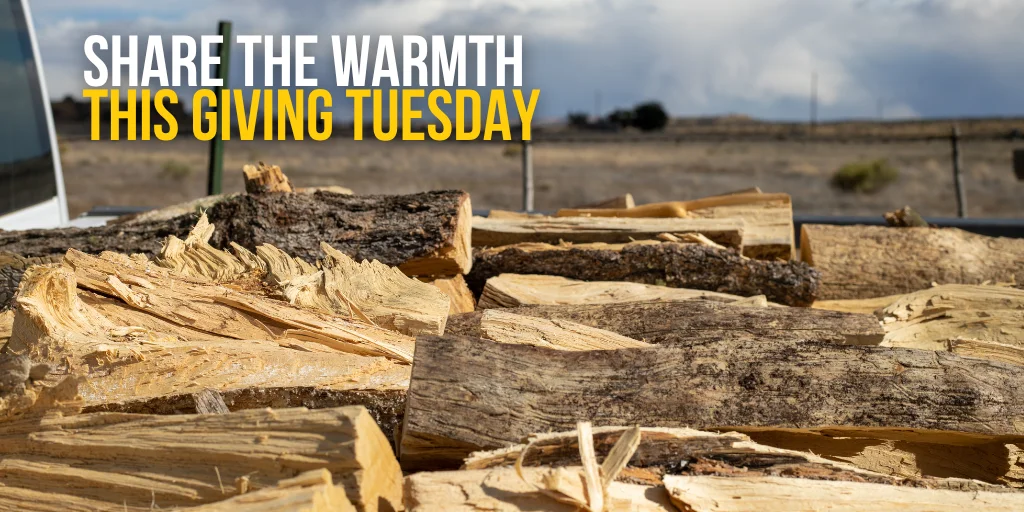
Turn Generosity Into Warmth This Giving Tuesday
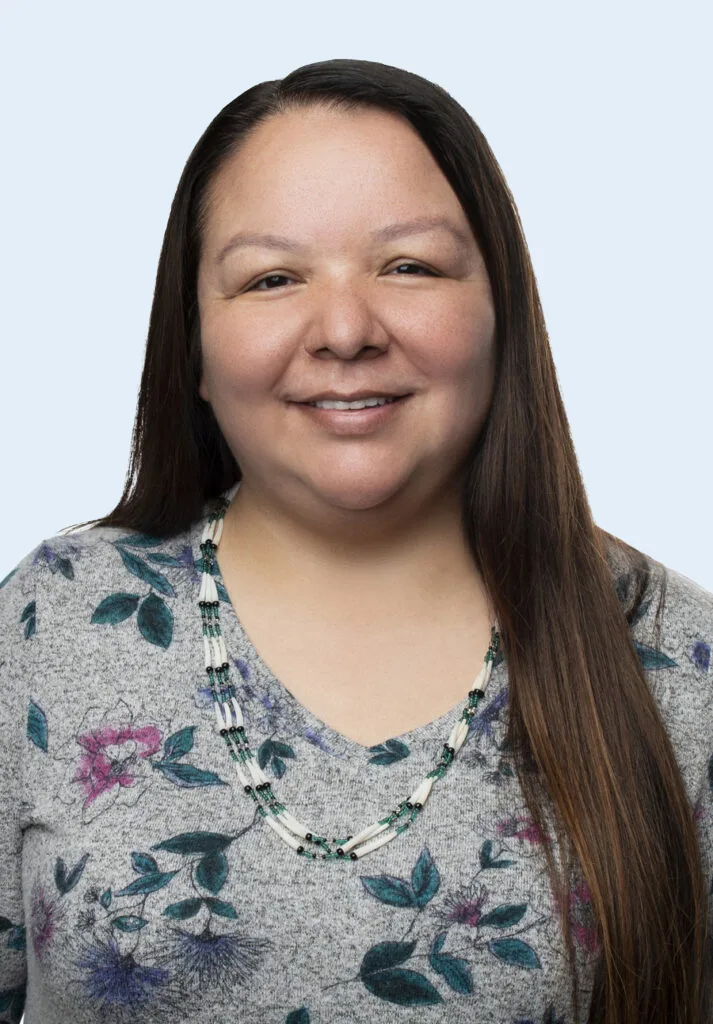
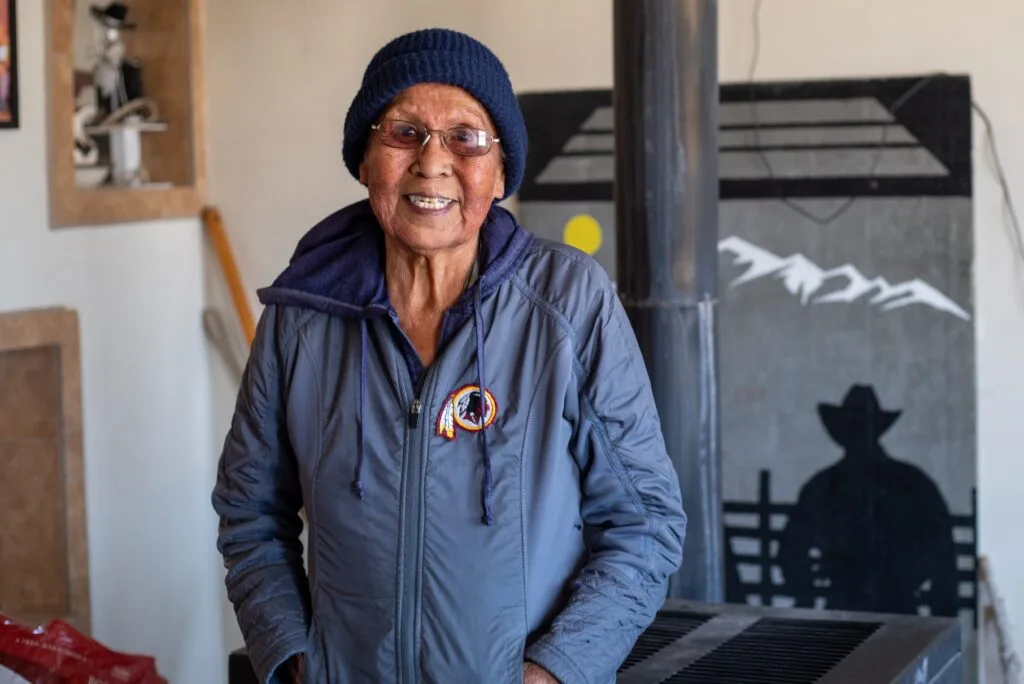
When winter settles over the remote communities of the Navajo Nation, warmth becomes a lifeline. For Elders like Kathy Jaye a 70-year-old retiree living alone in the Pinedale Chapter, staying warm through long, bitter months is a constant challenge.
Kathy spent more than 30 years working at the local Indian Health Service clinic. Today, her days are quieter; she listens to traditional Navajo music on the radio and watches the rain from her window. But living alone in an isolated area brings unique hardships, especially during the winter.
“I use firewood and electricity to heat my home,” she shared. “At night, I turn on the heater — but the electric bill is one thing that’s always so hard for me. It’s getting too high.”
Like many Elders across the Navajo Nation — where nearly 1 in 4 homes are considered substandard — Kathy conserves every resource she can: limiting appliance use, rationing water, and doing laundry only twice a month. Yet even with careful planning, winter stretches her budget beyond what she can manage alone.
How Winter Fuel Support Makes a Difference
This past winter, SWRA’s Winter Fuel service delivered exactly what Kathy needed to stay safe. With the help of generous donors, she received a $200 credit on her electric bill, easing the strain of the coldest months.
“When I found out my electric bill was paid for, I had to sit down because I was so surprised,” she recalled. “That kept me going from January to February.”
The relief didn’t end there. With the money saved, Kathy was able to get a much-needed oil change for her vehicle — essential for traveling to the grocery store, appointments, or to visit family.
“I thank you so much. It really helped me. Bless you all! People like those who donate have a heart.”
Why Winter Is Especially Hard in Native Communities
Winter creates challenges for many households, but on remote reservations, those challenges are intensified by long-standing structural and geographic barriers. For Elders like Kathy, these factors all converge:
- Housing Conditions: Nearly 1 in 4 homes on the Navajo Nation is considered substandard, meaning insulation, windows, and heating systems may be outdated or inefficient.
- High Utility Costs: Rural communities with outdated houses often pay higher rates for electricity and fuel, and increases in energy prices hit hardest for Elders living on fixed incomes.
- Limited Access to Firewood: Many Elders can no longer gather wood themselves and must pay others to help — an added cost during an already expensive season.
- Long Distances to Services: Grocery stores, health clinics, and fuel stations may be 30–60 miles away, increasing the overall cost of living in winter.
For many Elders, moving closer to services simply isn’t an option. Their homes carry history and meaning. As Kathy said, “It’s hard to live out here, but I don’t want to go live in Gallup. This is what my mom and dad gave me. I guess I’m living the old ways.”
The Realities of Winter in Remote Reservation Communities
Winter conditions can still be severe, especially in high-elevation regions of the Navajo Nation. Roads become hazardous. Gathering firewood can be difficult or even dangerous. Kathy, due to her age and physical limitations, now relies on her grandson Isaiah or her neighbor Jerry to help — another cost added to an already expensive season.
Across Native communities, Elders often choose to remain rooted in their homelands, even when that choice comes with challenges that outsiders may never see. That’s why winter support services matter so deeply — they help Elders stay safe, warm, and independent.
Our Giving Tuesday Goal: Bring Warmth to 1,500 Native People
This Giving Tuesday, PWNA is launching our Winter Warmth Drive — a focused effort to help Elders, like Kathy, and families survive the freezing months ahead.
With your help, we will provide:
- Winter Preparedness Boxes filled with items like warm blankets, gloves, beanies, food, and supplies.
- Winter Fuel support including firewood, fuel vouchers, and wood-burning pellets to help warm homes across remote communities.
Our goal is to serve 1,500 Native men, women, Elders, and children across six states in the Southwest and Northern Plains. With your support, we can help ensure fewer families face cold nights without heat, electricity, or proper winter clothing.
Preserving Dignity, Culture, and Community
For Elders like Kathy, the Winter Fuel service is about more than paying a bill. It is a reaffirmation that they are seen, valued, and supported. It helps them remain in their homes, connected to family, land, and culture — and it preserves their dignity during a season that can otherwise bring fear and financial strain.
Thanks to donors who support PWNA, Elders across the Southwest and Northern Plains are better able to endure extreme winter weather, manage rising utility costs, and keep their households running.
This Giving Tuesday is the perfect opportunity to turn your caring into action for our First Americans, a gift they will long remember. Join us on the largest giving day of the year by making your gift today.