- (800) 416-8102
- info@nativepartnership.org
- 16415 Addison Rd, Suite 200, Addison, TX 75001-3203

Sowing the Seeds of Food Sovereignty
By Joshua Arce
Amari, a 16-year-old from Zuni Pueblo in New Mexico, tucks her dark hair under a hair net, ties an apron around her waist, and pulls on some latex gloves. She then gets to work slicing and peeling an assortment of vegetables and locally grown produce.
A score of others join Amari in the kitchen of the Wellness Center at the Navajo Nation’s Fort Defiance Indian Hospital Board, where the air is tinged with the aroma of simmering bison stew, earthy elk tacos, and freshly roasted corn, a mix of scents that reflect generations of Indigenous food traditions.
The group gathered here today is participating in the Four Directions Leadership Development program sponsored by Partnership With Native Americans® (PWNA). This program is bringing together Native youth from different tribes to develop leadership skills, cultural knowledge, and practical tools for strengthening their communities.
The program’s lessons are as much about history as are about food preparation and horticulture. Earlier in the session, a Navajo presenter who helped pass the Navajo Nation’s 2014 Healthy Diné Nation Act, known as the “junk food tax,” spoke about the origins of fry bread. Once embraced as a cultural favorite, fry bread was born from U.S. government rations of flour, sugar, and lard during forced relocation. Over time, these processed foods replaced nutrient-rich traditional diets, contributing to today’s high rates of illness: obesity among Native Elders affects nearly 40% of men and over 46% of women, while Native adults experience heart disease at rates 48% higher and liver disease 56% higher than their white counterparts.
The discussion is motivating, says Amari.
“If we can take action to protect our health, not just for today, but for our future, it’s worth it,” she says. “Learning to cook with healthy traditional foods is part of that action.”
How Did We Get Here?
Like many Native youth living in rural reservation communities, Amari faces limited access to fresh, affordable, and culturally relevant foods. Many reservations are located in food deserts — areas where affordable, nutritious food isn’t readily available. Sometimes it’s necessary to travel for hours to reach a full-service grocery store. Others rely on local gas stations or convenience stores that carry mostly processed, packaged goods with little to no fresh produce.
These challenges aren’t just inconvenient — they’re a matter of life and health. Diet-related illnesses such as diabetes, heart disease, and obesity disproportionately affect Native populations. The lack of access to fresh, culturally appropriate foods contributes to these alarming health disparities.
PWNA is working with various partners to improve food sovereignty. We’re addressing food access at the root by combining food education, community gardens, and local food plots to create sustainable, Native community-led food systems.
Food sovereignty is the right of a community to identify and control how their food is produced, prepared, and distributed, including the quantity and quality of what they serve on their tables. Often, people think food sovereignty is the assurance we have enough food to meet our physical needs, but it goes far beyond that.
Strengthening Food Sovereignty At Its Roots.
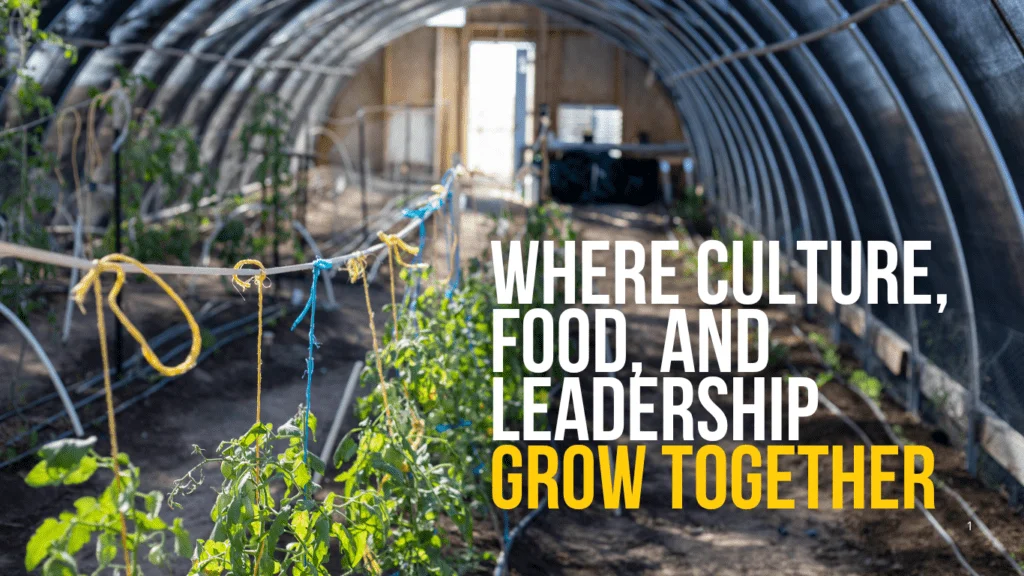
Following the kitchen sessions, Amari and her group visit the Wellness Center Garden, where they learn about growing Indigenous crops in desert conditions. A member of her group, 11-year-old Nelson, from the Navajo Nation, participates in a hands-on soil testing activity. He’s fascinated to learn how minerals like potassium, magnesium, and nitrogen levels affect plant health and plans to test the soil in his yard.
“Too much or too little of anything can be bad for growing,” says Nelson.
Amari and Nelson were energized by the idea that food sovereignty isn’t just about gardening — it’s about reclaiming culture, improving health, and ensuring future generations can thrive.
“If we can take action to protect our health, not just for us, but for future generations, that’s success,” says Amari.
Through PWNA’s Four Directions Leadership Development program, Native youth like Amari and Nelson are gaining the skills and inspiration to lead change — one seed, one story, and one meal at a time.
Our plan is deliberate because the stakes are high.
Twenty-three percent (23%) of Native American families suffer from food insecurity today – the highest rate of any group in the U.S. This is due to many factors like climate change, droughts, natural disasters, a lack of government responsibility and more, but something often overlooked is the lack of food sovereignty for Tribes on remote reservations. This lack of control over the food systems have contribute to higher rates of diet-related illness in Native communities. In fact, Native Americans today are 150% more likely to have diabetes and 40% more likely to have obesity than non-Hispanic Whites.
Planting The Seeds
PWNA works alongside reservation-based programs and funders who embrace our partnership to encourage food sovereignty by methodically tackling the issue at its roots.
Foundational Education: Hands-on training through youth programs and workshops help families learn how to grow, prepare, and preserve healthy foods.
Growing Spaces: Community gardens and food plots provide safe, accessible places for residents to grow their own produce and reconnect with traditional food practices.
Empowerment: Building independence, skills, and long-term resilience.
Cultural Relevance: Food sovereignty honors cultural traditions, ensuring communities can grow and eat foods meaningful to them.
Health Impact: Increased access to fresh food improves nutrition, reduces chronic disease risk, and supports overall well-being.
Economic Impact: Local food production keeps resources in the community and reduces dependence on expensive outside systems.
Youth Engagement: Young Native people gain leadership, agricultural skills, and confidence while helping feed their families and neighbors.
Long-Term Vision: Our goal is to transform food deserts into thriving, self-sufficient food networks for future generations.
While Native food sovereignty is gaining traction in Tribal communities and on reservations around the country, it is also touching the mainstream. Sean Sherman, the James Beard award winning chef and the driving force behind the wildly popular Owamni restaurant makes it clear Native culture will never return its pre-colonial diet. But he makes a case for normalizing Indigenous foods. He says Native Americans can evolve our diet by embracing plant and protein diversity that is healthier than the heavily processed Europeans introduced.
This involves being prepared to alter diets with the seasons and learning the names of plants in our local communities and the impact they can have on our meal preparations. He says Native food culture isn’t a museum, and it can evolve by embracing and altering traditions.
Embracing the Past While Forging The Future
You can help strengthen food sovereignty in Native communities. Together, we can transform food deserts into thriving, community-led food systems through hands-on food education, community gardens, and local food plots. Your support helps provide Native families with the knowledge, tools, and growing spaces they need to access healthy, culturally relevant food. By investing in local solutions, you’re helping build long-term food security and resilience for generations to come.
Arizona Gives Day is April 7th. It’s an annual giving movement uniting nonprofit, big and small, new and established, to celebrate and increase philanthropy in Arizona through online giving. The event, powered by AZ Impact for Good, takes place at the beginning of April and helps raise awareness about the critical role Arizona nonprofits play in our communities by inspiring people to give generously creating a thriving and stronger Arizona for all.
But you don’t have to wait until Arizona Gives Day, early giving begins March 17 and the campaign lasts until April 30, 2025.