- (800) 416-8102
- info@nativepartnership.org
- 16415 Addison Rd, Suite 200, Addison, TX 75001-3203

Celebrate Heritage in Action for Native American Heritage Month
By Joshua Arce
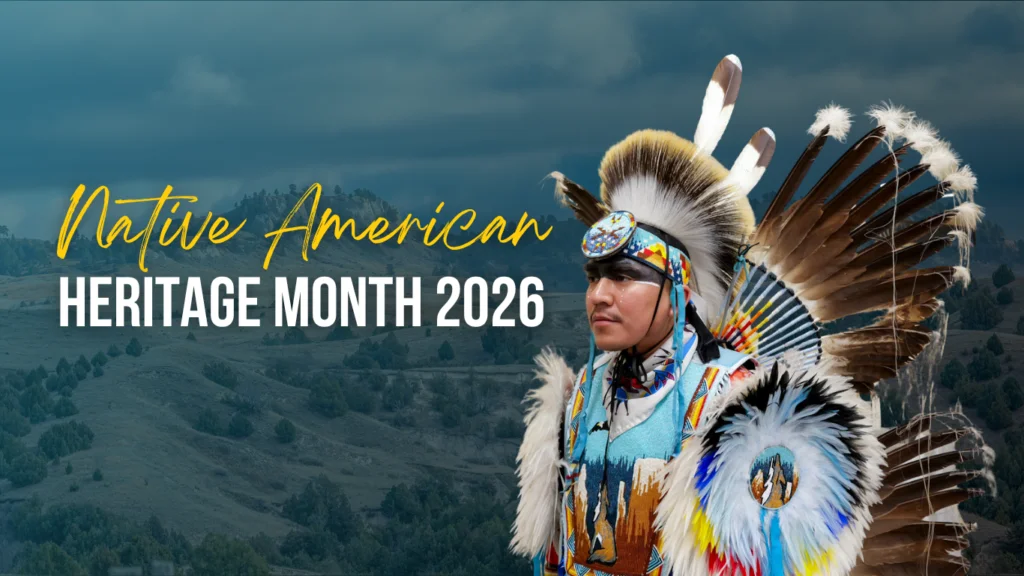
Every November, Native American Heritage Month invites us to recognize the histories, cultures, and contributions of Native peoples. It is also an opportunity to learn about the many ways Native heritage continues to shape communities today.
Heritage is more than something we remember. It lives in the knowledge shared between generations, the responsibilities people carry for their families, and the relationships that bring communities together. Across Native Nations, people continue to put their knowledge and values into action, strengthening their communities while creating opportunities for future generations.
At Partnership With Native Americans® (PWNA), we see this through the Native-led organizations and community members we work alongside. Their stories remind us that heritage is not just about where we come from. It is also about what we choose to carry forward.
Leading by Example for the Next Generation
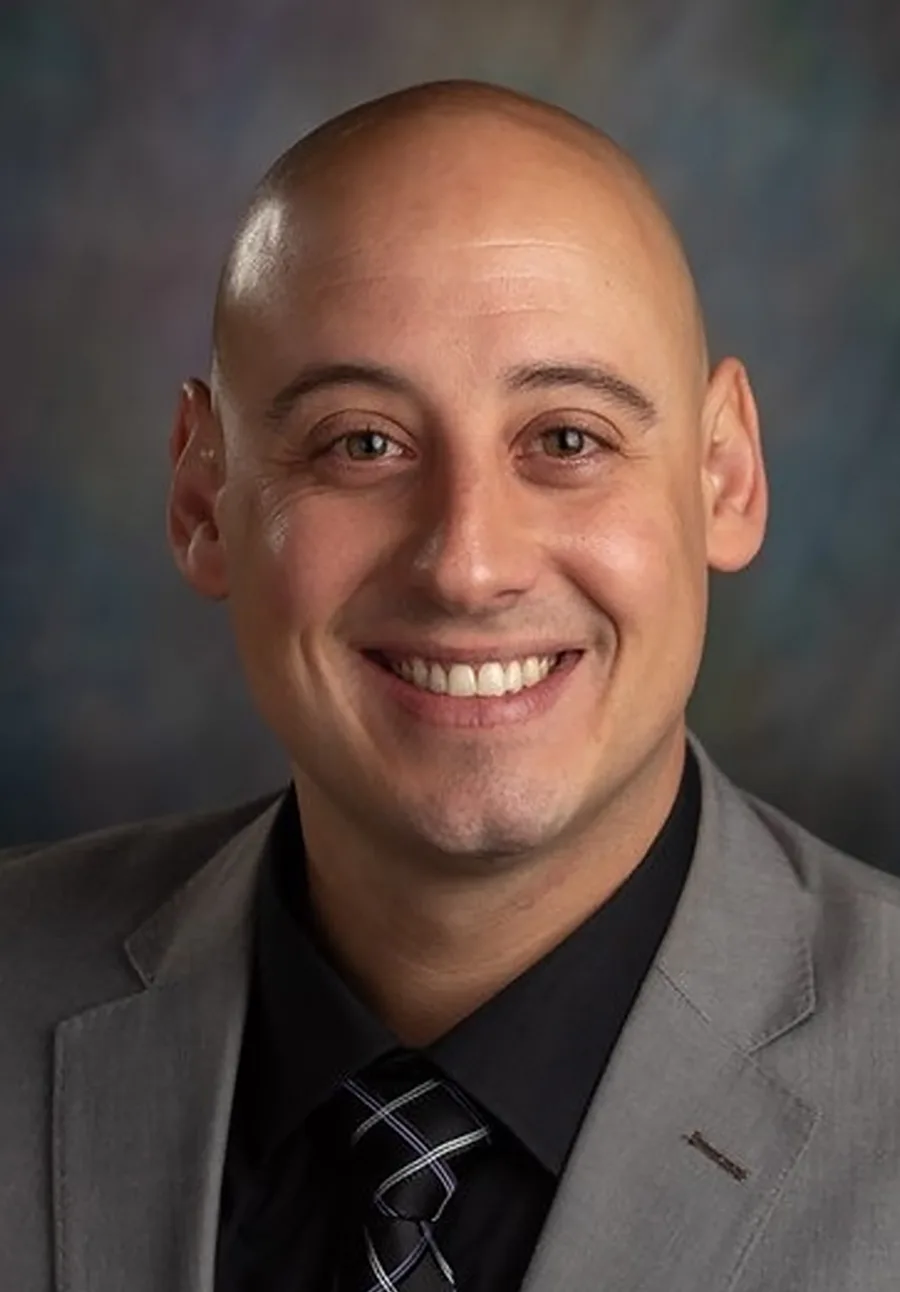
For Gabriel, a member of the Rosebud Sioux Tribe, carrying his heritage forward is part of everyday life. As a father of seven, he wants to set an example for his children. As a Tribal game warden, he serves his community and works in close relationship with the land. And as a cultural and spiritual leader, he helps keep Lakota language, songs, ceremonies, and traditions alive for future generations.
“The main inspiration was trying to be a role model for the younger generations,” Gabriel says. That commitment connects the many roles he carries, from teaching his children about emergency response and first aid to sharing the cultural practices that have shaped his life.
We met Gabriel through emergency response training provided by PWNA that helps community members build practical skills to respond to emergencies. His participation reflects the same sense of responsibility that guides his work as a father and community member: preparing himself and others to care for the people around them.
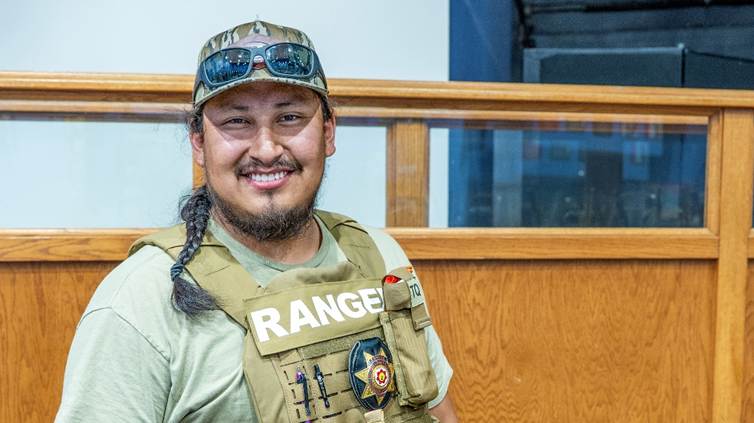
“I keep alive the ceremonies and traditions of the Lakota people. They look at me as a young Elder.”
Carrying Cultural Knowledge Into the Classroom
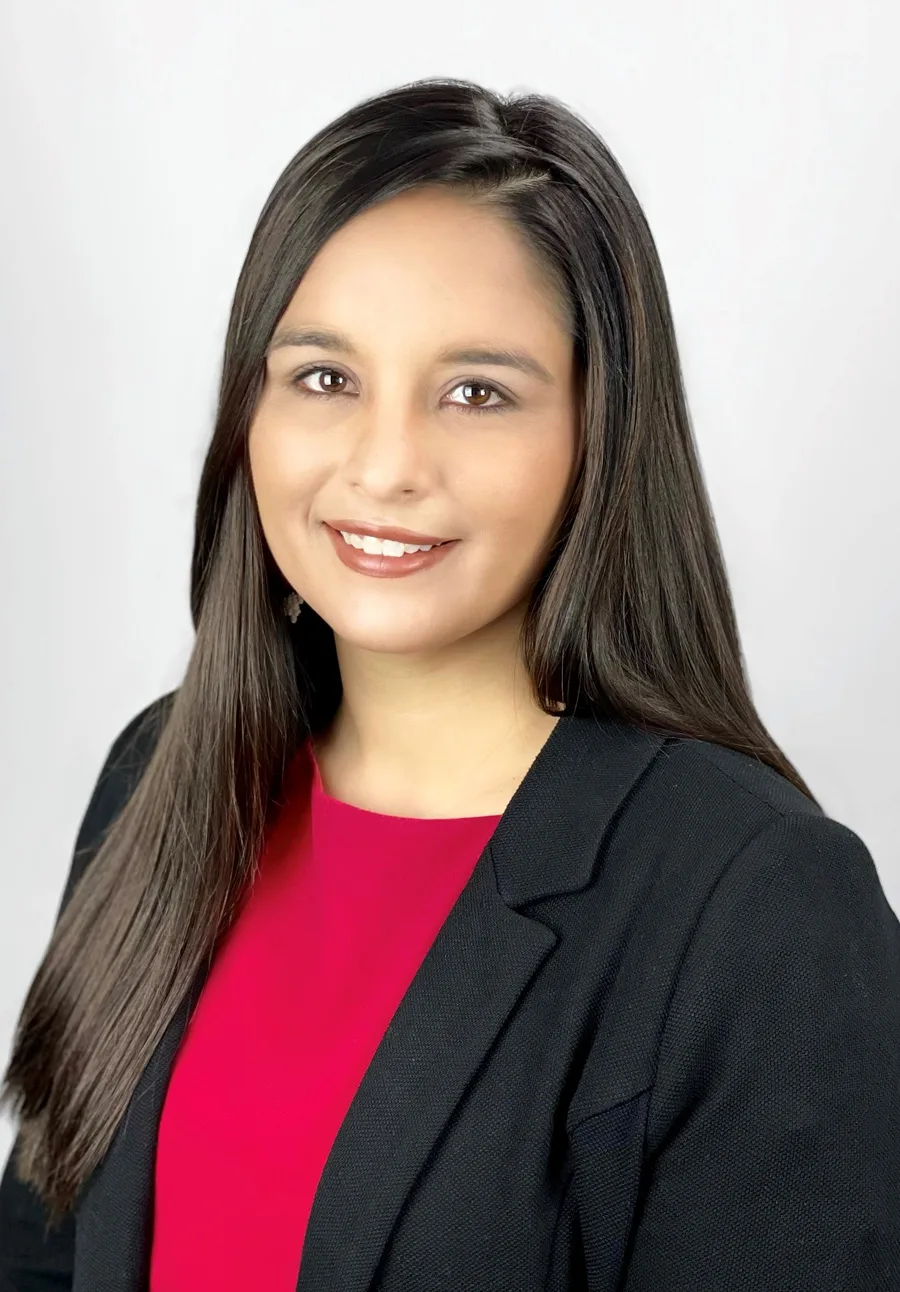
For Tania, an enrolled member of the Crow Tribe, preserving her Apsaalooke heritage means ensuring future generations have opportunities to learn their history, language, and traditions. As a mother of two and an aspiring teacher, she hopes to bring that knowledge into the classroom and help Native students feel seen, valued, and connected to their culture.
Tania’s commitment is rooted in her own experiences growing up in Billings, Montana, where Native history and culture were rarely part of her education. Her grandmother, Ruth, became one of her greatest teachers, sharing stories about her life and the challenges she faced. Today, Tania continues to study the Crow language and carry those lessons forward in her own family and community.
She hopes to return to her home community to teach, helping students understand where they come from and recognize the possibilities ahead of them. This commitment will pass knowledge to the next generation and into the future.
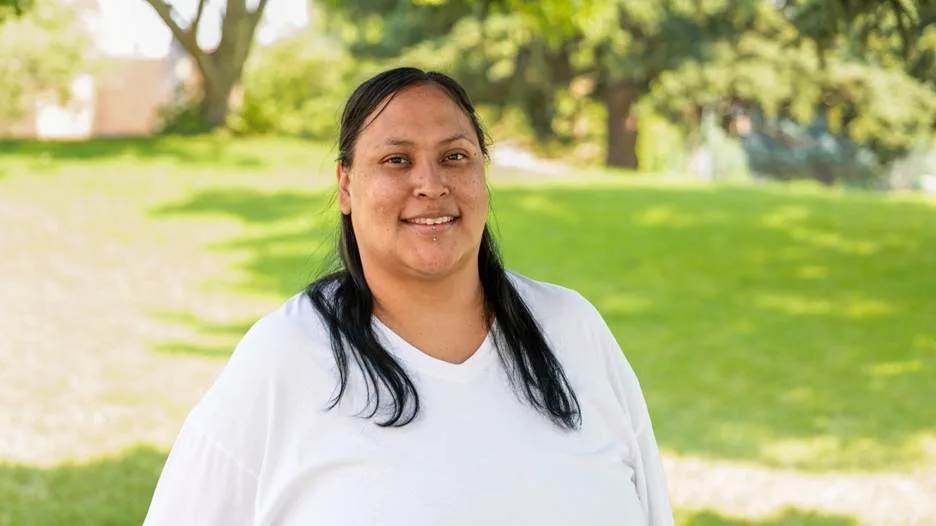
“I wanted to do Native American studies to keep that alive and bring that awareness to everybody else.”
Heritage Is Something We Put Into Action
Gabe and Tanya live in different communities and bring different experiences to their work and family lives. Yet their stories share a common thread: both demonstrate how knowledge, responsibility, and relationships can strengthen a community.
Heritage takes many forms across Native Nations. It can be found in cultural practices and language revitalization, in the guidance of Elders and mentors, and in the everyday efforts of people caring for their families and neighbors. It also lives in the work of Native leaders and organizations building programs that reflect their communities’ needs and priorities.
This Native American Heritage Month, we invite you to look beyond what you may already know about Native history and culture. Learn about the Native Nations whose lands you live on, listen to Native voices, and recognize the leadership and knowledge shaping Native communities today.
Becoming #NativeAware means approaching Native history and contemporary life with curiosity, respect, and a willingness to learn. It means recognizing the diversity of Native peoples and understanding that Native communities are not defined by the past alone.
At PWNA, we are grateful to work alongside Native communities and their local partners as they put their knowledge, relationships, and leadership into action. With your support, we can continue helping connect communities with resources that advance their priorities and strengthen their futures.
Join us in celebrating Native American Heritage Month. Share what you learn, encourage others to become #NativeAware, and consider supporting PWNA’s work with Native communities.
Together, we can recognize the knowledge carried forward across generations and support the people putting that knowledge into action every day.