- (800) 416-8102
- info@nativepartnership.org
- 16415 Addison Rd, Suite 200, Addison, TX 75001-3203

Treaty Series: The Broken Treaty of Little Arkansas River
By Partnership
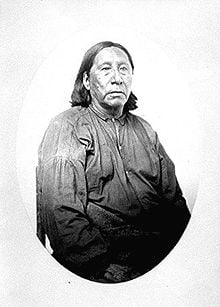
According to Indian Country Today magazine, four descendants of the Sand Creek Massacre of 1864 filed a lawsuit against the United States, the Department of the Interior, and the Bureau of Indian Affairs. The defendants are charged with failure to “pay out or keep track of trust funds that should have gone to descendants of those massacred in 1864.” The descendants are working toward a class action lawsuit.
I feel this is a necessary step to hold the U.S. accountable for its promises made to Native peoples in treaties, and specifically the Treaty of Little Arkansas River signed on October 14, 1865. This treaty guaranteed reparations to the relatives of victims of the Sand Creek Massacre. The Sand Creek Massacre is a terrible stain on U.S. history and a deep scar for the many Native Americans directly connected to it through family ties.
What actually happened at Sand Creek?
A peaceful camp of Cheyenne and Arapaho had been placed along the banks of Sand Creek by the Governor of Colorado to ensure their safety. However, on November 29, 1864, Col. John Chivington and approximately 650 troops attacked the camp and what followed was horrific… Hundreds of women, children and elderly Native Americans were killed, wounded, and mutilated. As the story goes, the acts of mutilation were so horrifying as to leave soldiers who witnessed them in utter shock and despair that men could do these things to other human beings, especially defenseless women and children.
Lt. Silas Soule wrote to Major Edward Wynkoop two weeks after the massacre, “They were all horribly mutilated…you could think it impossible for white men to butcher and mutilate human beings as they did there.”
Lt. Joseph Cramer stated in a letter dated almost three weeks after the massacre, “woman and children, were scalped, fingers cut off to get the rings on them…little children shot, while begging for their lives…”
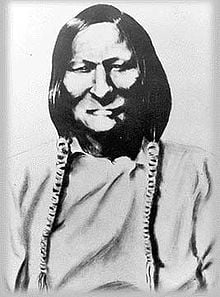
I will not go into further details but will only say that Sand Creek was a horrific massacre and recognized as such by the U.S. in the binding language of the Treaty of Little Arkansas River. The treaty stated in part:
The United States being desirous to express its condemnation of, and, as far as may be, repudiate the gross and wanton out-rages perpetrated against certain bands of Cheyenne and Arapahoe Indians, on the twenty-ninth day of November, A. D. 1864, at Sand Creek, in Colorado Territory, while the said Indians were at peace with the United States, and under its flag, whose protection they had by lawful authority been promised and induced to seek, and the Government being desirous to make some suitable reparation for the injuries then done.
And this takes us to where we are today with the descendants of Sand Creek victims suing the U.S. for alleged mishandling of trust funds and land promised to those who suffered directly because of the Sand Creek Massacre.
Now well over one century since Sand Creek, it seems a shame that the U.S. has yet to offer a full financial and trust accounting to the descendants of those massacred. I don’t think it is too much to ask the U.S. to get started on keeping this promise. At all.
Leave a Comment
You must be logged in to post a comment.


Ramey Channell
I agree. The U.S. should be held accountable for its promises made to Native peoples in treaties. These issues have been side-stepped and ignored for too long.
Johanne Cantu
I AGREE ALSO. OUR NATIVES ANCESTERS HAVE SUFFERED AND CONTINUE TO SUFFER, IT IS SHAMEFUL FOR OUR GOVERNMENT TO WITHHOLD ANYTHING THAT WAS PROMISED.
Robert John Williams
All treaties should be honoured!
Elizabeth Stack
Absolutely! There needs to be reparation!
Carpet store Lake
Keep on working, great job!
my webpage Carpet store Lake oswego oregon
Isaac Tsatigh
As a fellow Native American, I believe that the treaties should be honored, the U.S. should hold up to its promises, and that the government should come clean and end the shame that they had brought amongst the Natives.