- (800) 416-8102
- info@nativepartnership.org
- 16415 Addison Rd, Suite 200, Addison, TX 75001-3203

America’s First Cuisine
By Pyet DeSpain
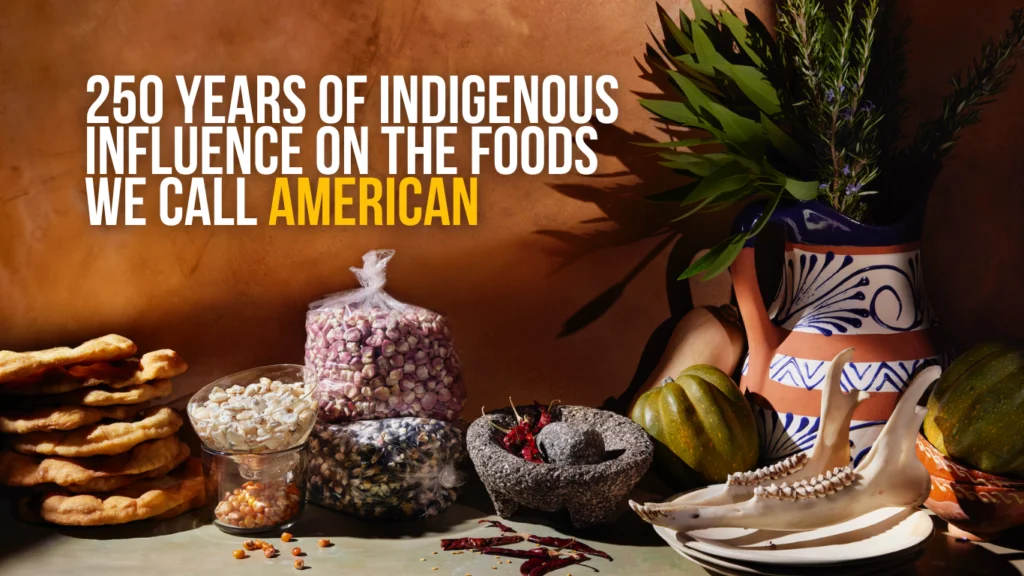
When many people think about the history of American cuisine, they often begin with the founding of the United States in 1776. But America’s culinary story did not begin with the birth of the nation. It began thousands of years earlier, with the Indigenous peoples who cultivated this land, developed sophisticated agricultural systems, and built rich food traditions that continue to nourish communities today.
As America marks 250 years of independence, it is also an opportunity to recognize a deeper truth: the foods that define American cuisine and much of the world’s cuisine, are rooted in Indigenous innovation. Native Americans were not simply contributors to America’s food story, they were its original architects.
Long before European settlers arrived, Indigenous nations across North America had developed thriving food systems uniquely adapted to diverse landscapes. From the deserts of the Southwest to the forests of the Northeast and the plains of the Midwest, Native communities cultivated, harvested, hunted, fished, and preserved foods using generations of ecological knowledge.
Food was never viewed as a commodity alone. It was connected to identity, ceremony, family, stewardship, and responsibility. Every harvest carried teachings about reciprocity and respect for the land. Every season brought different foods and different responsibilities. These relationships created sustainable food systems that flourished for thousands of years.
When Europeans arrived, they encountered not an untouched wilderness but carefully managed ecosystems and highly skilled agricultural societies. Much of what became known as “American food” was made possible through Indigenous knowledge shared during those early encounters.
One powerful example comes from the early English settlement at Jamestown. During the devastating winter of 1609–1610, remembered as the “Starving Time,” the colony suffered catastrophic food shortages, disease, and starvation. Of the roughly 500 settlers living there, only about 60 survived the winter. While relations between the English and the Powhatan Confederacy shifted between cooperation and conflict, Indigenous agriculture and access to Native-grown corn through periods of trade played a critical role in the colony’s eventual survival. The crops, farming knowledge, and ecological understanding that Indigenous peoples had developed over thousands of years proved indispensable to newcomers who were unfamiliar with the land and its seasons.
The Ingredients That Transformed the World
Perhaps no contribution has shaped global cuisine more than the Indigenous foods that originated in the Americas.
Corn, beans, squash, tomatoes, potatoes, chile peppers, cacao, vanilla, cranberries, pumpkins, maple syrup, sunflower seeds, wild rice, avocados, and countless other foods all trace their origins to Indigenous peoples of the Americas.
Imagine Italian cuisine without tomatoes. Irish cuisine without potatoes. Swiss chocolate without cacao. Thai food without chile peppers. These foods have become so integrated into cultures around the world that many people forget where they came from.
Corn alone stands as one of humanity’s greatest agricultural achievements. Developed over thousands of years through careful seed selection and cultivation, it became the foundation for countless Indigenous nations and eventually one of the world’s most important staple crops.
These ingredients did more than diversify diets, they transformed economies, trade, agriculture, and cuisines across the world.
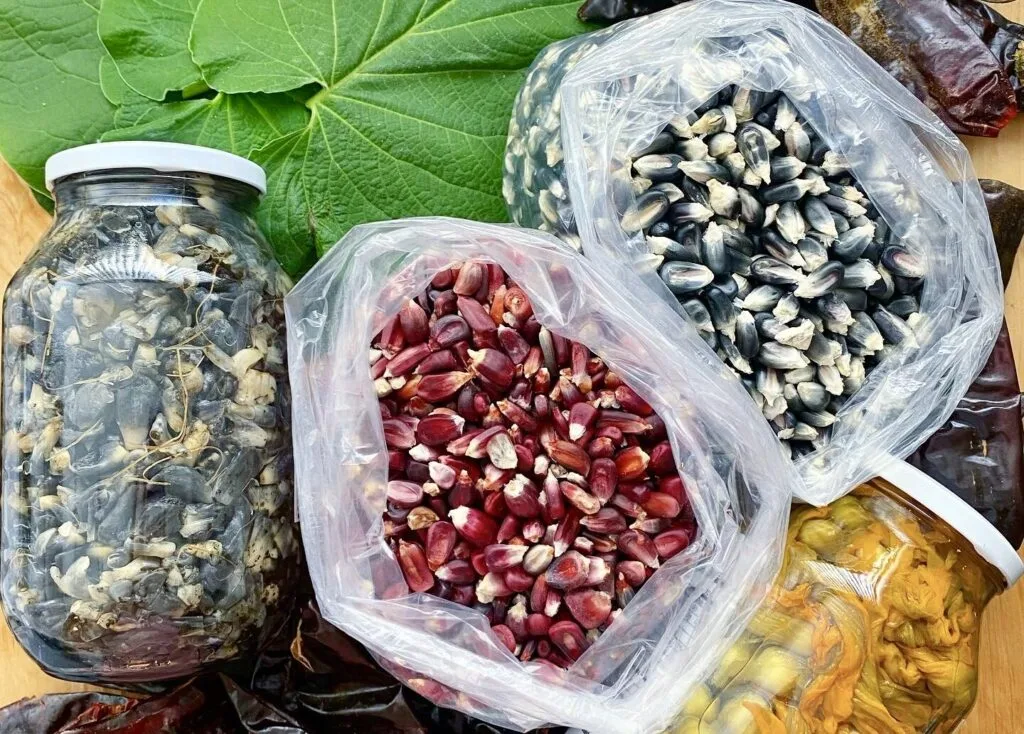
Indigenous Agricultural Knowledge Sustained Generations
The ingredients themselves tell only part of the story. Equally important is the knowledge that allowed them to thrive.
Indigenous communities understood that healthy food begins with healthy relationships with the soil, water, plants, animals, and each other. Agricultural practices reflected careful observation of natural systems rather than attempts to dominate or own them.
One of the best known examples is the companion planting of corn, beans, and squash, often referred to as the Three Sisters. Together, these crops naturally support one another: corn provides a structure for beans to climb, beans replenish nitrogen in the soil, and squash shades the ground to help retain moisture and suppress weeds. It is a brilliant example of biodiversity working in harmony.
Many Indigenous nations also practiced seed saving, seasonal harvesting, responsible game management, controlled burning, and ecosystem stewardship. These methods are increasingly recognized today for their role in promoting biodiversity and environmental resilience.
These were not just farming techniques. They were expressions of responsibility to future generations.
The Forgotten History Behind America’s Favorite Foods
Today, many foods commonly considered “American” have Indigenous roots, yet those origins are rarely acknowledged.
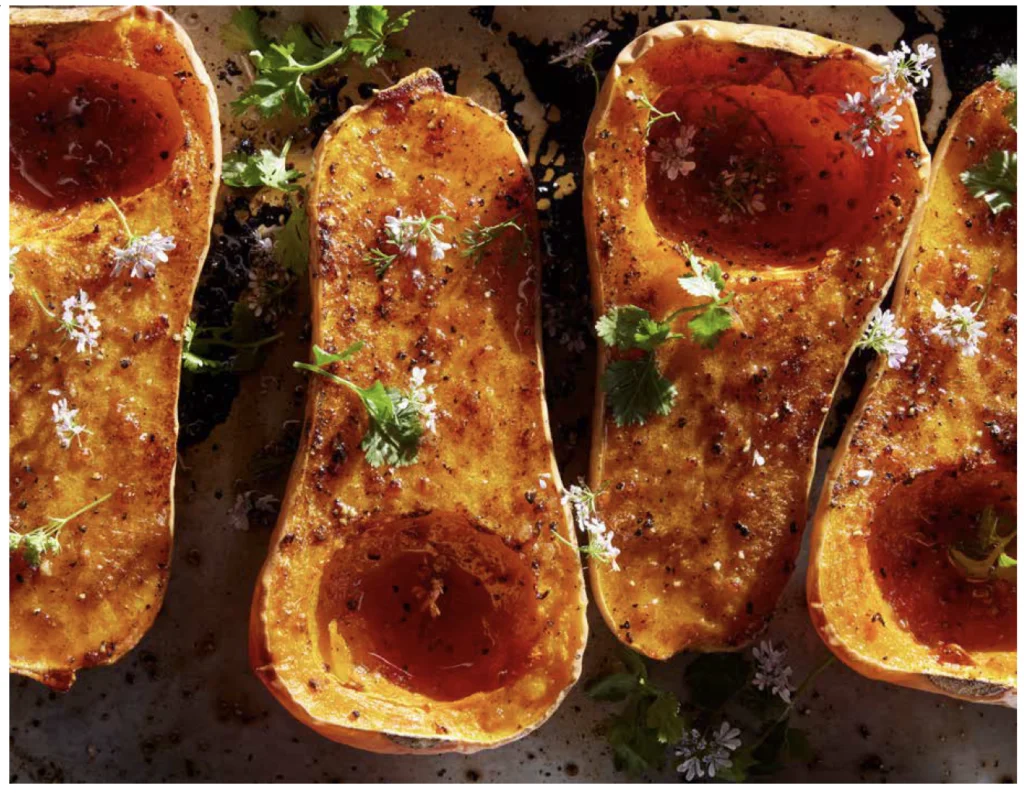
Turkey with cranberry sauce. Pumpkin pie. Cornbread. Succotash. Barbecue prepared with Native ingredients. Maple syrup poured over pancakes. Even regional specialties throughout the United States rely heavily on crops first cultivated by Indigenous peoples.
Yet for generations, Native contributions to American food history have often been reduced to a brief lesson about the “First Thanksgiving” before disappearing from the broader conversation.
This omission matters because history shapes identity. When we overlook Indigenous contributions, we lose a fuller understanding of how America became what it is today.
Recognizing Native influence is not about assigning ownership to every dish or rewriting culinary traditions. Rather, it is about acknowledging the knowledge, innovation, and resilience that laid the foundation upon which so much of American cuisine was built.
Today, Indigenous chefs, farmers, seed keepers, educators, and food advocates are helping restore these stories to the national conversation.
Across the country, Native communities are revitalizing ancestral seeds, protecting traditional foodways, promoting food sovereignty, and reconnecting younger generations with cultural knowledge that has endured despite centuries of displacement and assimilation.
I have the incredible honor of traveling across Turtle Island, working with Tribal communities and teaching Indigenous youth about our ancestral foods. Whether we’re grinding corn into masa, harvesting traditional plants, or sharing meals around a table, I see something much greater than a cooking lesson unfolding. I see young people reconnecting with their identity and realizing that these foods carry stories, teachings, responsibilities, and medicine that have been passed down for generations.
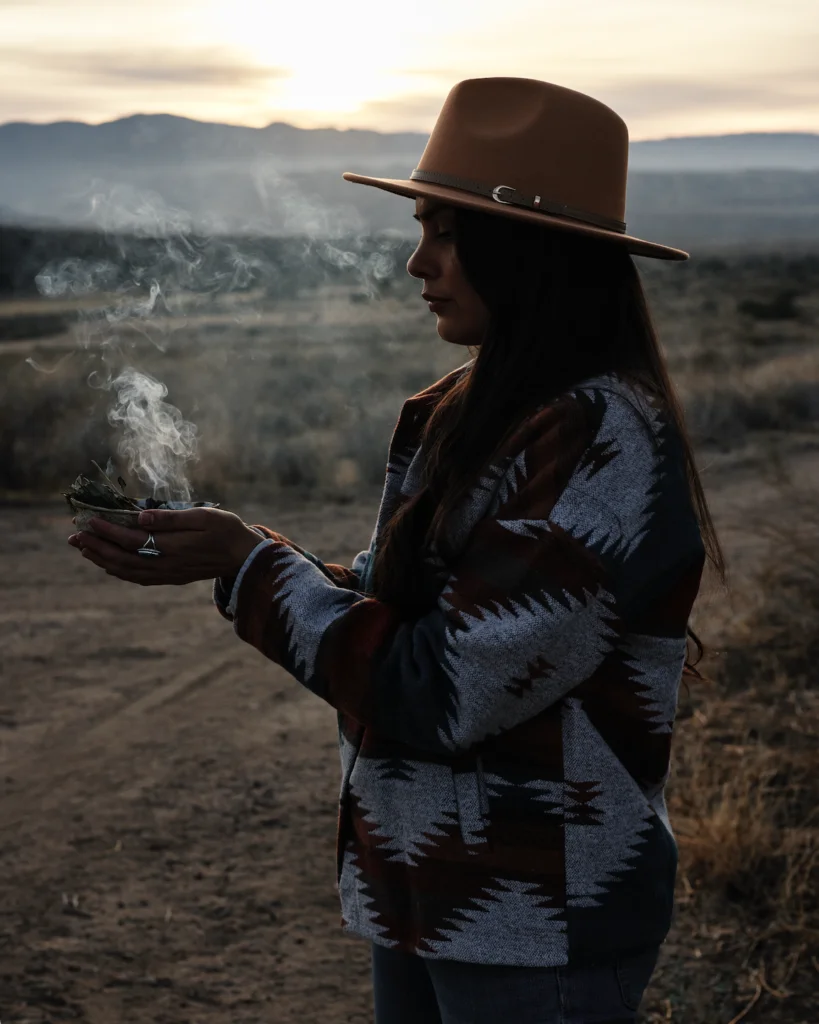
I often remind our youth that learning these foodways is not simply about gaining knowledge for the sake of knowing it. It is about understanding your place within your community and recognizing the responsibility each generation carries to protect, practice, and pass that knowledge forward. Every one of us has a role to play in ensuring these traditions remain living traditions, not museum pieces or stories confined to history books.
For thousands of years, Indigenous communities sustained themselves through these relationships with the land. Our ancestors understood how to steward ecosystems, cultivate resilient crops, harvest with respect, and share food in ways that strengthened families and entire nations. These weren’t just survival techniques they were ways of life rooted in reciprocity, gratitude, and community. Today, we have the opportunity to make those same values part of our everyday lives once again.
As America reflects on its first 250 years, perhaps one of the greatest opportunities is not simply to celebrate the nation’s history, but to deepen our understanding of the civilizations whose knowledge made so much of that history possible.
America’s first cuisine did not begin in 1776. It began thousands of years earlier around Indigenous fires, fields, rivers, and forests. It lives on today in the ingredients we cook with, the meals we share, and the communities working to ensure these traditions continue for generations to come.
Recognizing that history is more than an act of remembrance, it is an invitation to honor the original stewards of this land and to build a more complete understanding of what truly makes American cuisine American. When we invest in the next generation of Indigenous knowledge keepers, we are not simply preserving the past, we are ensuring that these foodways continue to nourish our communities, our cultures, and the future for generations to come.
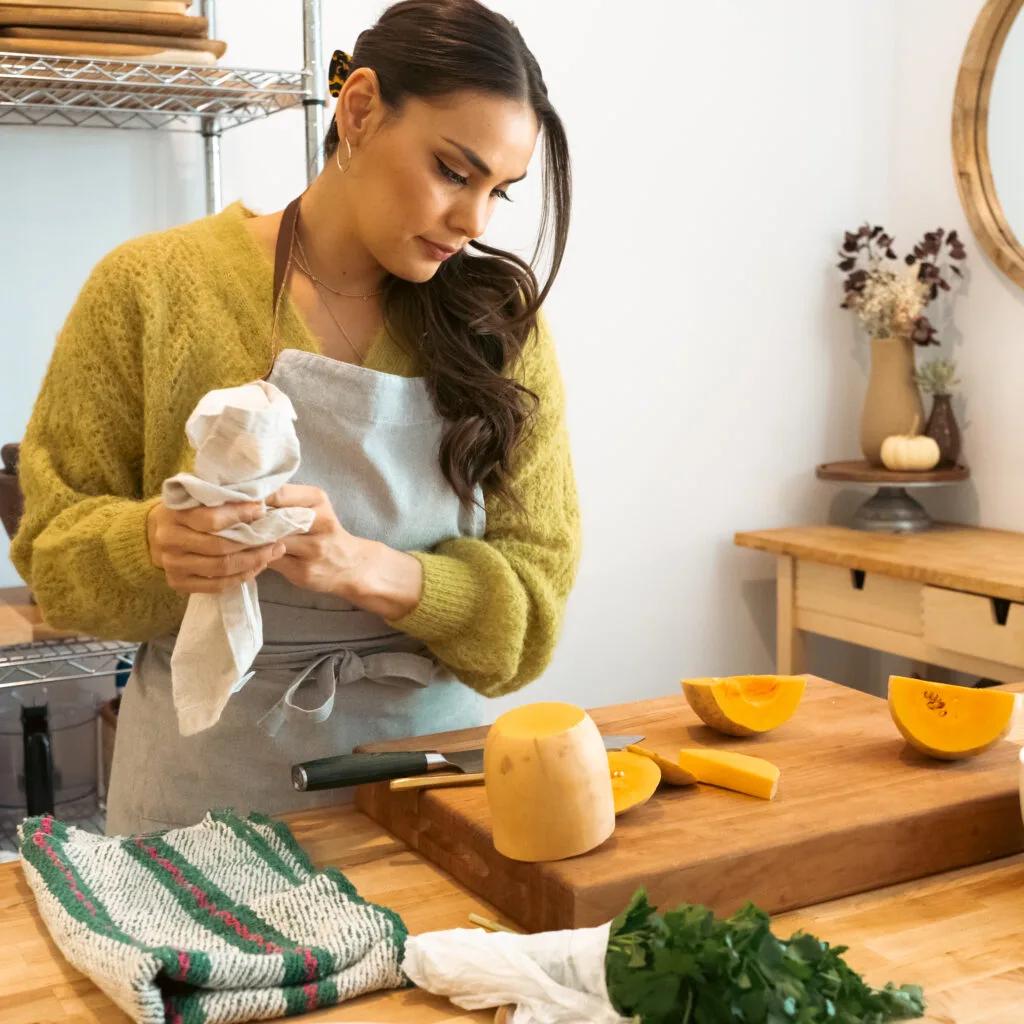
Chef Pyet DeSpain is an Indigenous chef, educator, and food sovereignty advocate dedicated to revitalizing Indigenous foodways and passing ancestral knowledge to future generations. Pyet recently partnered with Partnership With Native Americans (PWNA) in Moenkopi, Arizona, teaching youth and adults about Indigenous foods, recipes, and the cultural connections that make foodways a living tradition.