- (800) 416-8102
- info@nativepartnership.org
- 16415 Addison Rd, Suite 200, Addison, TX 75001-3203

Carrying Knowledge Forward
By Joshua Arce
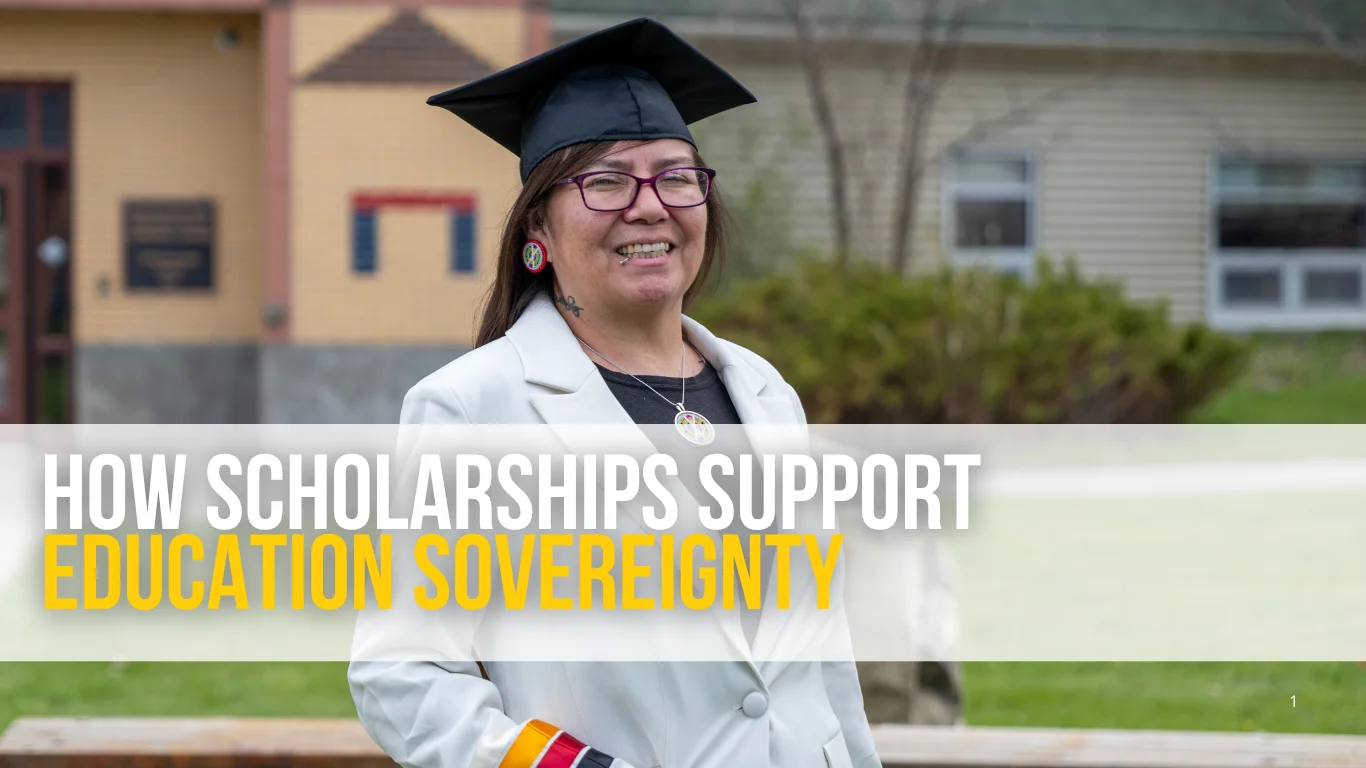
On summer mornings in northwestern Montana, Lissa would load up her younger children and begin the long drive to class. The monthly trip from the Crow Reservation to Salish Kootenai College was nearly 500 miles. Housing was never guaranteed, and she still had bills, responsibilities, and work waiting for her back home in Lodge Grass, where she teaches Crow language, Native art and design, beadwork, and Crow history.
But Lissa kept going.
A fluent Crow speaker, Lissa is the first person in her immediate family to attend college. Years passed between her high school graduation and her return to earn both a bachelor’s degree and later a master’s degree in Integrative Indigenous Education.
“I never thought I’d ever be where I am now,” she says. “I never saw myself as having a master’s degree.”
Raised by her grandmother after the loss of her mother, Lissa grew up surrounded by oral history, cultural teachings and the Crow language. Today, she passes those teachings to her own students, helping preserve traditions, culture and identity for the next generation.
Education Builds Tribal Nations
For many Native students, education means something more than individual success. It is about strengthening communities, preserving culture, and building a future for your people.
Across Tribal Nations, Native students are becoming teachers, healthcare workers, attorneys, artists, and community leaders. Many bring their education and skills back home, where they help revitalize culture, improve healthcare access, protect tribal lands, and mentor youth.
Education helps Native communities build capacity from within. But educational access remains uneven across Indian Country. Out of all Native Americans 25 or older, only 16.8% hold a bachelor’s degree, less than half the national rate. As a general rule, those with a bachelor’s degree earn significantly more over their lifetimes than those with only a high school diploma.
Across Tribal Nations, investments in education, workforce training, and scholarships are helping prepare Native teachers, healthcare workers, attorneys, entrepreneurs and community leaders who can bring their skills back home and enhance their communities as strong human capital.
This is part of a larger movement towards education sovereignty: the ability for Native communities to shape education according to their own values, priorities, traditions and long-term goals.
Many Tribal Nations are investing in schools, scholarship programs, and career training to help students succeed and strengthen their communities from within. Some Tribes operate their own schools rather than relying solely on Bureau of Indian Education (BIE) schools, allowing them greater control over curriculum, language instruction, and cultural education. Others invest in scholarship programs, college assistance, workforce development, and trade school funding to help students gain job skills.
Unequal access to Educational Resources
However, it’s important to recognize that not all Tribal Nations have equal access to the resources needed to support education programs.
Many Tribal Colleges and Universities (TCUs) rely heavily on federal grants and funding to operate. Some Tribes can supplement their education programs through tribally funded scholarships and legislative appropriations made possible through taxation or other revenue sources. For Tribes with stable and reliable revenue sources like gaming and casino revenue, tourism, business enterprises, and land leases, these investments can create valuable opportunities for Native students.
Some Native students come from rural or economically disadvantaged communities where tribal scholarship programs may be limited or unavailable altogether. For students from the most underserved communities, higher education may be out of reach without substantial outside support.
That is why independent scholarship programs remain so important. Scholarship programs like the American Indian Education Fund (AIEF) help fill critical gaps by supporting Native students from many different Tribal Nations, including communities with limited educational resources.
How AIEF Scholarships Help
The American Indian Education Fund®, a program of Partnership With Native Americans®, helps Native students pursue higher education at tribal colleges, mainstream universities, and technical schools across the country.
Each year, AIEF scholarships help students cover educational expenses such as tuition, books, transportation, housing, and school supplies—costs that can quickly become overwhelming for students balancing work, family, and academics.
But scholarships do more than help students pay bills. They also support education sovereignty by helping Native students gain the skills, degrees, and professional training that have a ripple effect on Tribal communities.
For Lissa, support from AIEF donors helped her cover some of those expenses.
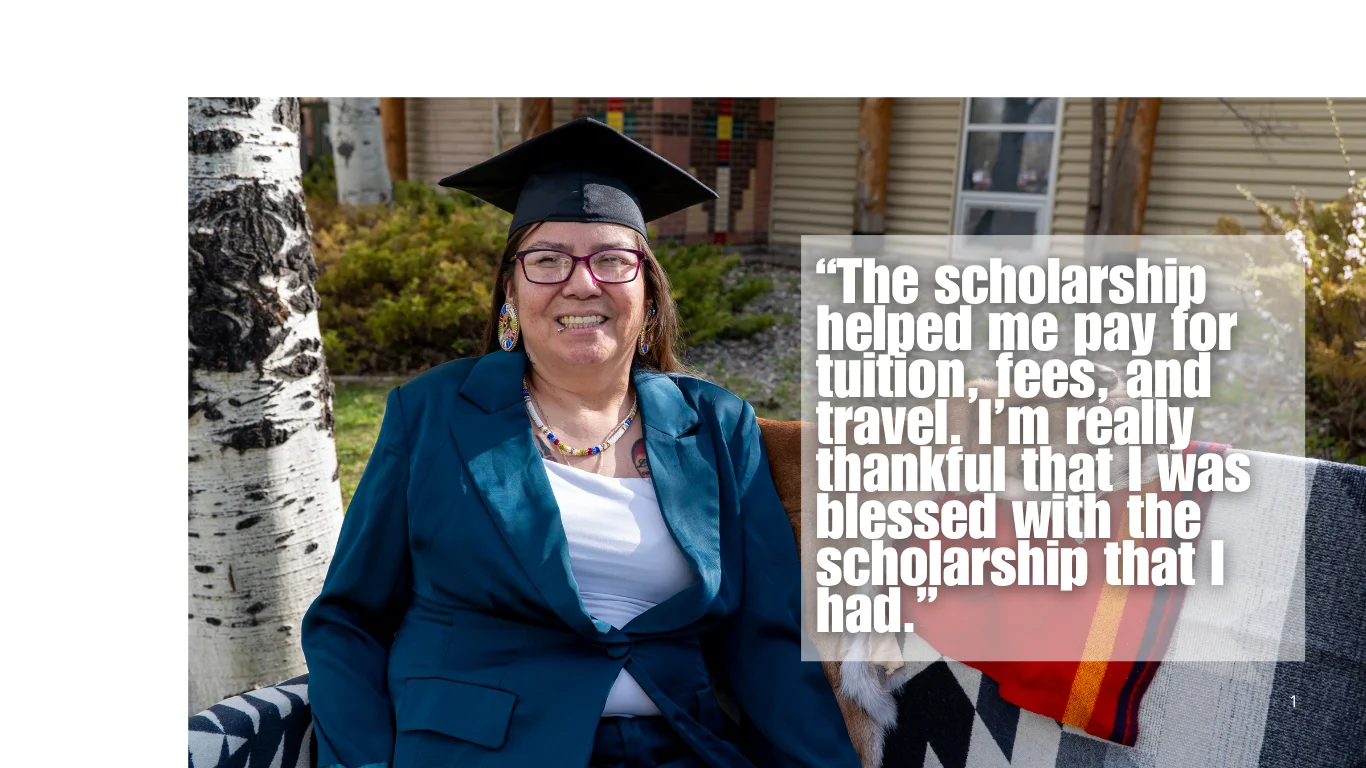
Today, Lissa is considering pursuing a doctorate in education. Her daughters are following educational paths of their own, including one working toward a doctorate herself. The encouragement her grandmother once gave her is now being passed to another generation. This type of intergenerational imprinting of educational success is helping communities heal from the trauma caused by the boarding school era of education. Breaking the cycle, healing the families, and excelling in education.
Looking Toward the Next Generation
This year marks 250 years since the founding of the United States. It is also an opportunity to reflect on the long and complicated history Native communities have faced in the pursuit of education.
There was a time when federal policies attempted to use education as a tool of forced assimilation. Native languages and traditions were suppressed, and Native children were separated from their communities in efforts to erase Indigenous identity, eliminate languages, and wipe out the culture.
Today, Native students, educators, and Tribal Nations are reshaping education into something very different: a tool of self-determination, cultural preservation, and community empowerment.
That transformation did not happen because barriers disappeared. It happened because Native communities fought to protect their cultures, languages, and futures—and because they continue investing in the next generation through the principles of education sovereignty.
Students like Lissa represent that resilience.
They are not only earning degrees. They are teaching children, preserving culture, strengthening communities, and helping build the future of Tribal Nations for generations to come.