- (800) 416-8102
- info@nativepartnership.org
- 16415 Addison Rd, Suite 200, Addison, TX 75001-3203

Neighbors Helping Neighbors
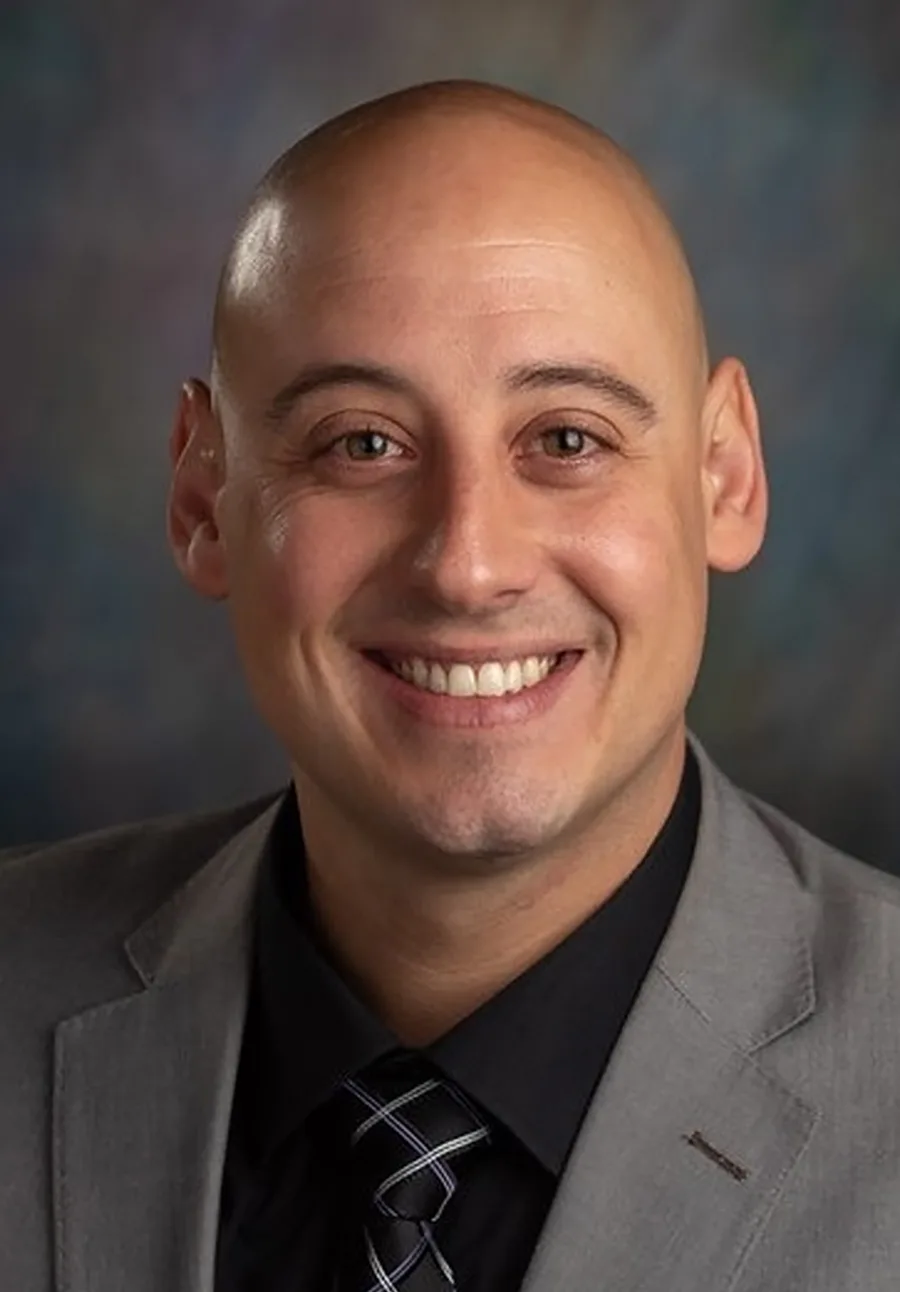
By Joshua Arce
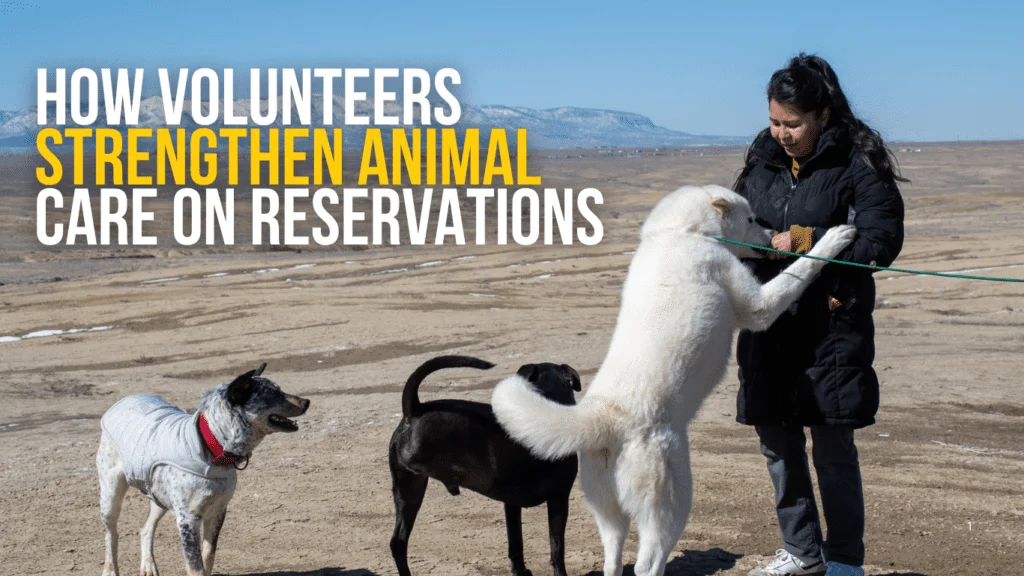
Earlier this year, I had the opportunity to spend time in Shiprock, New Mexico, at a pet food distribution hosted by RezRoads Rescue.
I joined the volunteers that day, helping load bags of pet food and supplies into cars as families drove through the distribution lines. We saw a steady flow of vehicles throughout the event. By the end, more than 150 families had stopped by.
What stayed with me was how connected everything felt. People knew each other. They knew the work that Chantal Wadsworth, the founder of RezRoads Rescue, has been doing in the community, and they showed up for it.
Chantal and her team have built something that people rely on. They are helping families care for their animals in ways that are practical and consistent. Being there in person, it was easy to see the impact she is making across the Navajo Nation.
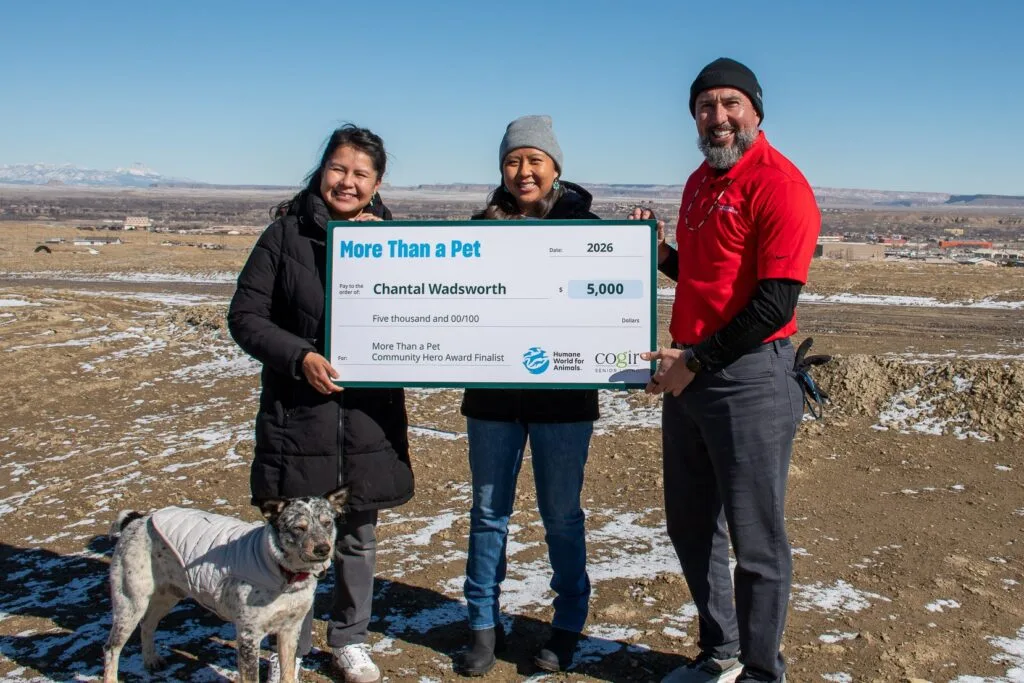
Because of that impact, PWNA nominated Chantal for the 2026 More Than A Pet Community Hero Award from Humane World for Animals. She was recently named the winner, bringing national recognition to the work she and her team are doing in Shiprock.
That kind of recognition matters. It helps highlight the work happening at the community level and supports leaders like Chantal as they continue to grow their efforts.
At the end of the day, this work is about people showing up for each other.
Community-Led Care in Action
Across Tribal communities, animal care often depends on volunteers.
Some organize pet food distributions like the one in Shiprock. Others drive long distances to get animals to veterinary appointments. Many open their homes to foster pets or check in on neighbors’ animals during extreme weather.
Most of this work is steady and ongoing. It is built around what communities need and what people are able to offer.
In places like the Navajo Nation, where veterinary services may be hours away, these efforts help fill important gaps. Volunteers step in where they can and find ways to make things work.
This is what community-led care looks like.
It is people who give their time and energy to support something that matters to them.
For many families, animals are part of everyday life. They provide protection, companionship, and connection. Supporting animal care also means supporting the people who rely on them, whether it’s by giving a bag of pet food, a ride to a clinic, or a place for an animal to recover.
These small efforts build over time.
Supporting What Already Exists
Partnership With Native Americans works to support animal welfare efforts across Tribal communities through its Reservation Animal Rescue program.
The program focuses on practical support. Pet food distributions, vaccination clinics, small infrastructure improvements, and partnerships with Native veterinarians and Native-serving organizations.
The work extends across the Southwest and the Northern Plains, but the approach stays consistent: support what communities are already building.
That starts with listening and understanding what is needed. It also means making sure resources are available so local efforts can continue to grow.
Leaders like Chantal Wadsworth are doing this work every day in their own communities. While efforts like RezRoads Rescue operate independently, they reflect the same kind of community-driven care that programs like Reservation Animal Rescue are designed to support more broadly.
Recognition from organizations like Humane World for Animals helps bring more visibility to this work. It highlights the leadership that already exists within Native communities.
Why Animal Welfare Matters
Animal Welfare is one of six core pillars at Partnership With Native Americans, alongside Food & Water, Health, Emergency, Education, and Holiday support.
Caring for animals is part of caring for whole communities.
I see that in my own life. I have two dogs, Monte Carlo and Cutlass. They have been part of my family for years. They bring a lot of energy and personality into our home, and they are an important part of our daily lives.
That same connection exists in communities across Indian Country.
When people support animal welfare programs, they help both animals and the families who care for them.
Become NativeAware
Becoming NativeAware starts with recognizing the work already happening in Native communities and the people leading it.
It also means taking action in ways that support that work:
- Learn more about animal welfare in Native communities and the barriers to care
- Share stories like Chantal’s to help bring visibility to community-led efforts
- Support programs like Reservation Animal Rescue that provide food, supplies, and veterinary assistance
- Advocate for increased access to veterinary services in rural and Tribal areas
When communities have the support they need to care for animals, the impact extends beyond a single pet.
It supports families. It strengthens communities. And it continues to grow.