- (800) 416-8102
- info@nativepartnership.org
- 16415 Addison Rd, Suite 200, Addison, TX 75001-3203

We Are Still Here
By Alyssa London
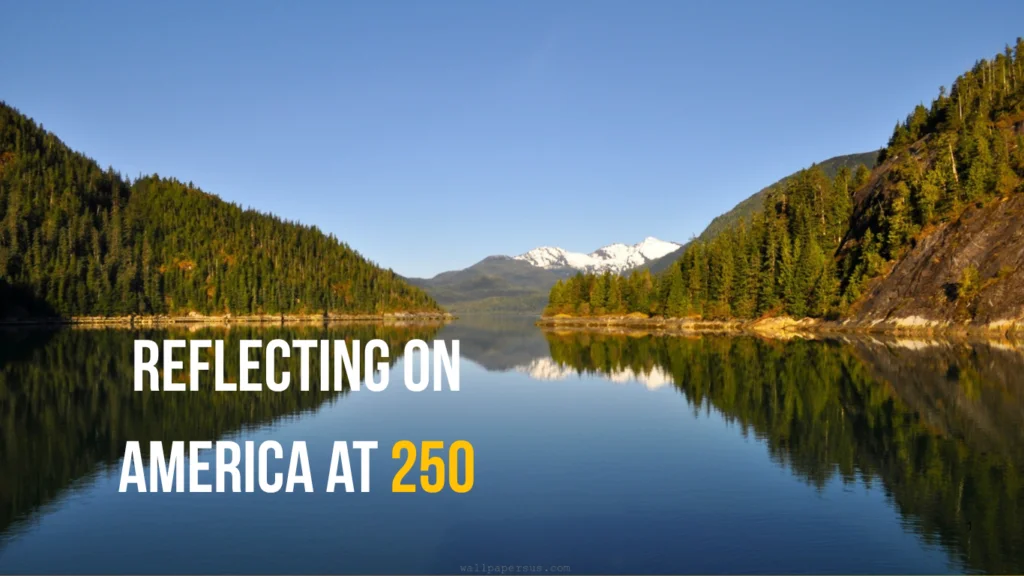
As the United States commemorates its 250th anniversary, I have been thinking about what it means to be both an American and a Tlingit citizen.
As a citizen of the Central Council of the Tlingit and Haida Indian Tribes of Alaska, I am both an American citizen and a citizen of a federally recognized Tribal Nation. Those identities do not compete with one another. Instead, they offer a way to think about this anniversary within a broader history. Federally recognized Tribal Nations have a government-to-government relationship with the United States and retain inherent powers of self-government.
Two hundred and fifty years is an important milestone in the history of the United States. It is also a relatively short period within the much longer history of the peoples and Nations whose histories on these lands extend back thousands of years. Archaeological evidence establishes human presence in the Americas for thousands of years, while Indigenous oral histories describe relationships with these lands from time immemorial.
Long before the founding of the United States, Indigenous Nations had their own governments, laws, languages, cultures, economies, systems of diplomacy, and relationships with the lands we continue to call home today. Recognizing that history is not an argument that Indigenous societies were without conflict or complexity. It is simply an acknowledgment that organized societies and Nations existed on these lands long before the United States did.
That history is important to acknowledge as we commemorate 250 years of the United States. When we begin the American story in 1776, we risk reinforcing the idea that Indigenous people belong primarily to America’s past.
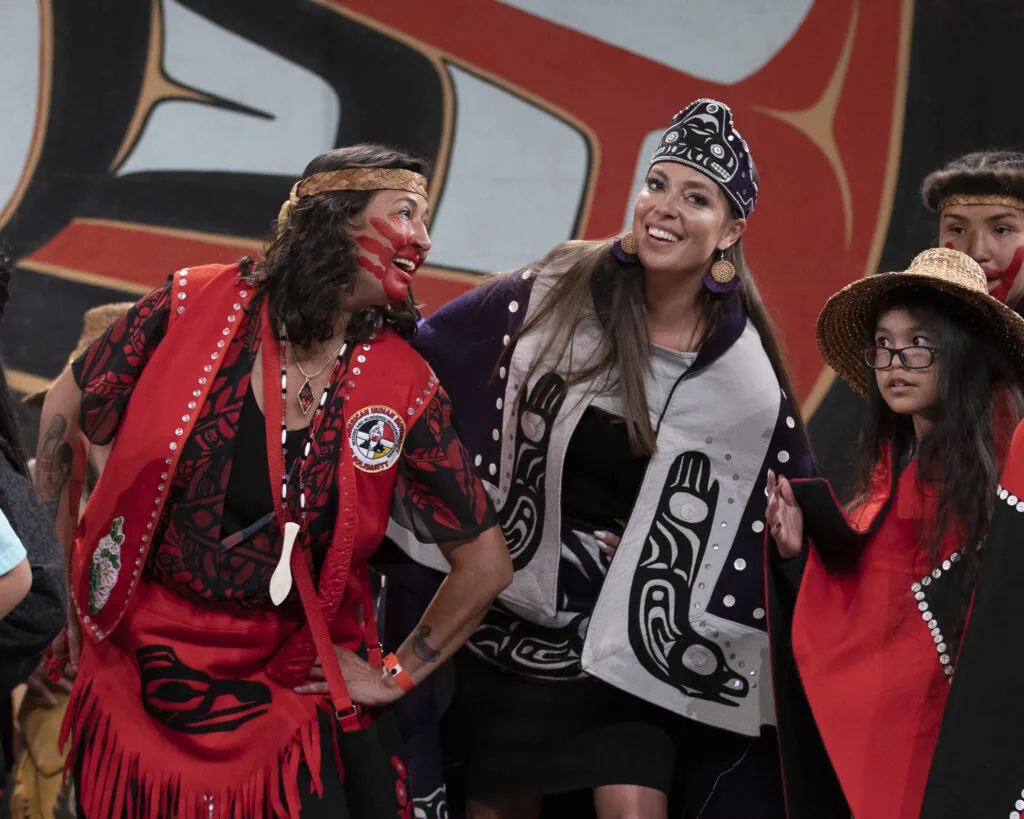
For much of American history, Native people have been presented this way. We are often introduced through stories about European contact, treaties, westward expansion, reservations, or boarding schools. These histories are important, particularly because many Americans still know relatively little about them. But when Native people are discussed primarily in historical contexts, it can create an incomplete understanding of who we are today.
Indigenous people are not relics of the past. Tribal Nations continue to govern. Native people continue to maintain relationships with our homelands, practice and adapt our cultures, revitalize our languages, raise families, build businesses, create art, and contribute to our communities and the country more broadly. Tribal governments today continue to exercise powers that include establishing citizenship requirements, making and enforcing laws, administering justice, regulating activities within their jurisdictions, and providing services to their citizens.
On the Fourth of July this year, I smiled when I noticed the words “We Are Still Here” appearing in posts from a number of Indigenous organizations. They are also the title of my forthcoming book, We Are Still Here, which explores contemporary Indigenous identity, history, and belonging.
The phrase resonates with me because it acknowledges our history while also directing attention to the present. “We are still here” is partly a statement of survival. Native people remain despite generations of federal policies that displaced Indigenous communities, separated families, suppressed languages and cultural practices, and sought to assimilate Native people into American society.
But I do not think contemporary Indigenous identity should be defined only by what Native people survived.
Being here today also means continuing to govern our Nations and participate in our cultures while living contemporary lives. Native people are lawyers, teachers, artists, journalists, elected leaders, entrepreneurs, scientists, parents, students, filmmakers, and people working throughout American society. We may not always look the way Native people have historically been portrayed in popular culture, but appearance does not determine our right to claim our Tribal citizenship or Indigenous identity any more than appearance determines whether someone can be an American citizen. There is no contradiction between participating in the contemporary world and maintaining a strong Indigenous identity.
That is something I have thought about throughout my own life as a Tlingit woman. My identity connects me to a people, culture, and history that long predate the United States. It also exists within my life as an American today.
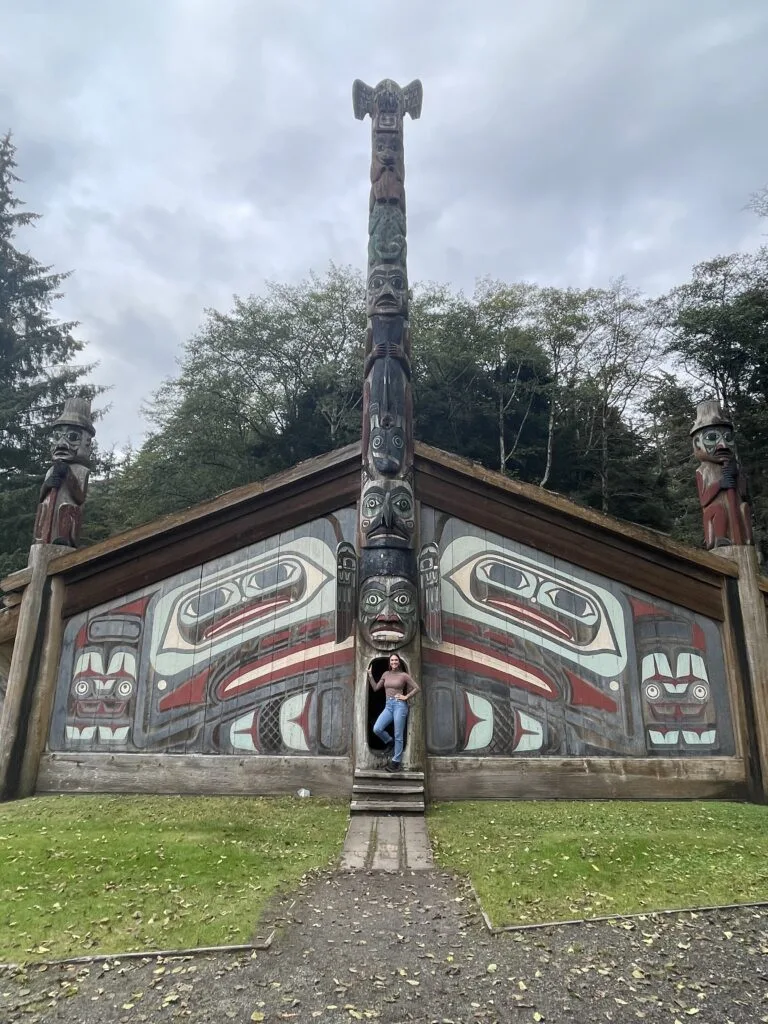
I am proud of many of the people, ideals, and possibilities this country represents, even as I recognize that there is still much work to do. I do not see acknowledging difficult parts of American history as incompatible with appreciating what this country represents to many people or considering what it can become. I also believe there can be healing in acknowledging our history as it happened rather than pretending that its painful parts did not happen. A more complete understanding of our history gives us more context for understanding the country we share today.
The 250th anniversary of the United States gives us an opportunity to consider that fuller history.
Doing so does not require diminishing the significance of 1776. It means recognizing 1776 for what it was: the founding of the United States within a much longer history of people and Nations on this continent.
It also means recognizing that Indigenous history did not end as American history began.
Today, Tribal Nations continue to exercise sovereignty and govern their citizens. Indigenous communities continue to protect relationships with lands and waters, maintain and restore languages and cultural practices, and determine what it means to carry those traditions forward. Native people are also participating in and shaping the broader communities, institutions, industries, and conversations that make up the United States today.
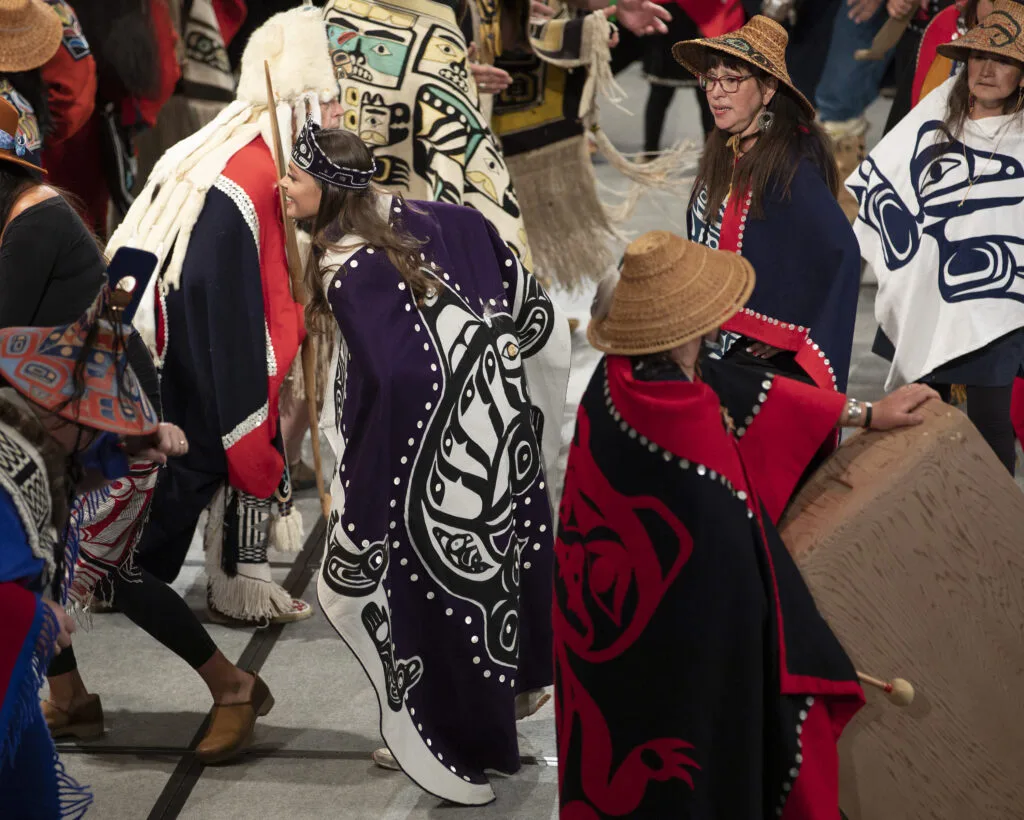
Tribal Nations and Native-owned businesses contribute to local, regional, and national economies, often serving as important employers and economic drivers in rural communities. Our contributions to this country are not new. Indigenous peoples shared knowledge of these lands, foods, agriculture, trade routes, and other resources with European settlers, and Native trade and economies contributed to the development of what became the United States. Today, we continue to help build the country whose history we helped make possible.
As we commemorate 250 years, I hope we also acknowledge the first Peoples of this land and the sovereign Tribal Nations whose histories, responsibilities, and contributions predate the United States and continue today.
We are not relics of the past. We are still protecting our homelands, governing our Nations, creating, leading, and contributing to the future of this country.
The story of America is more complete when Indigenous people are understood not only as part of its history, but as part of its present and future.
We were here before 1776, and we are still here.
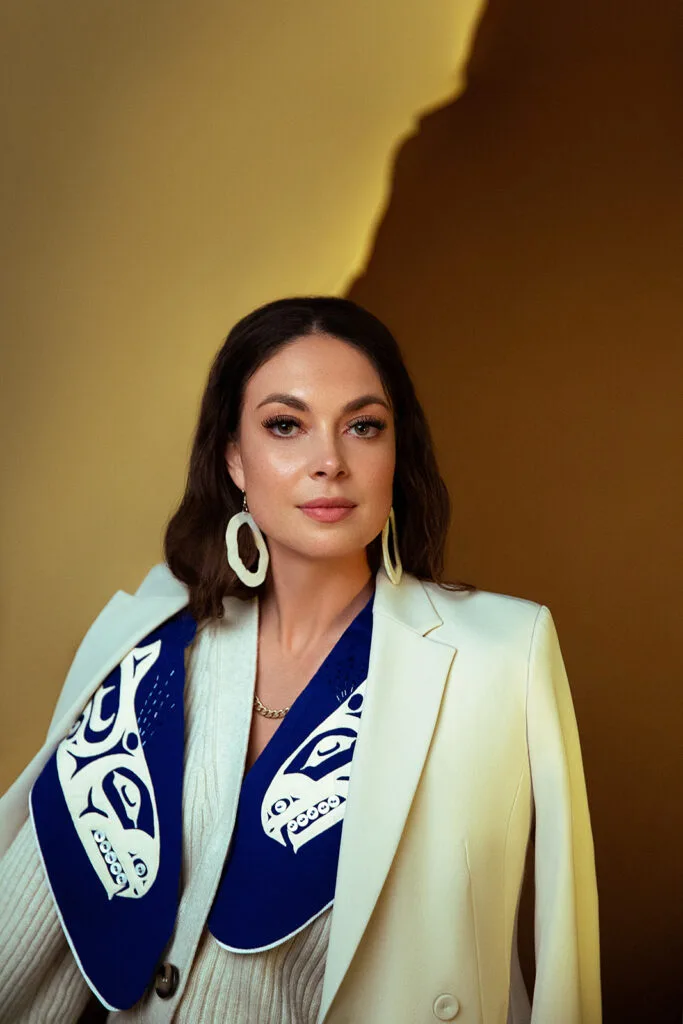
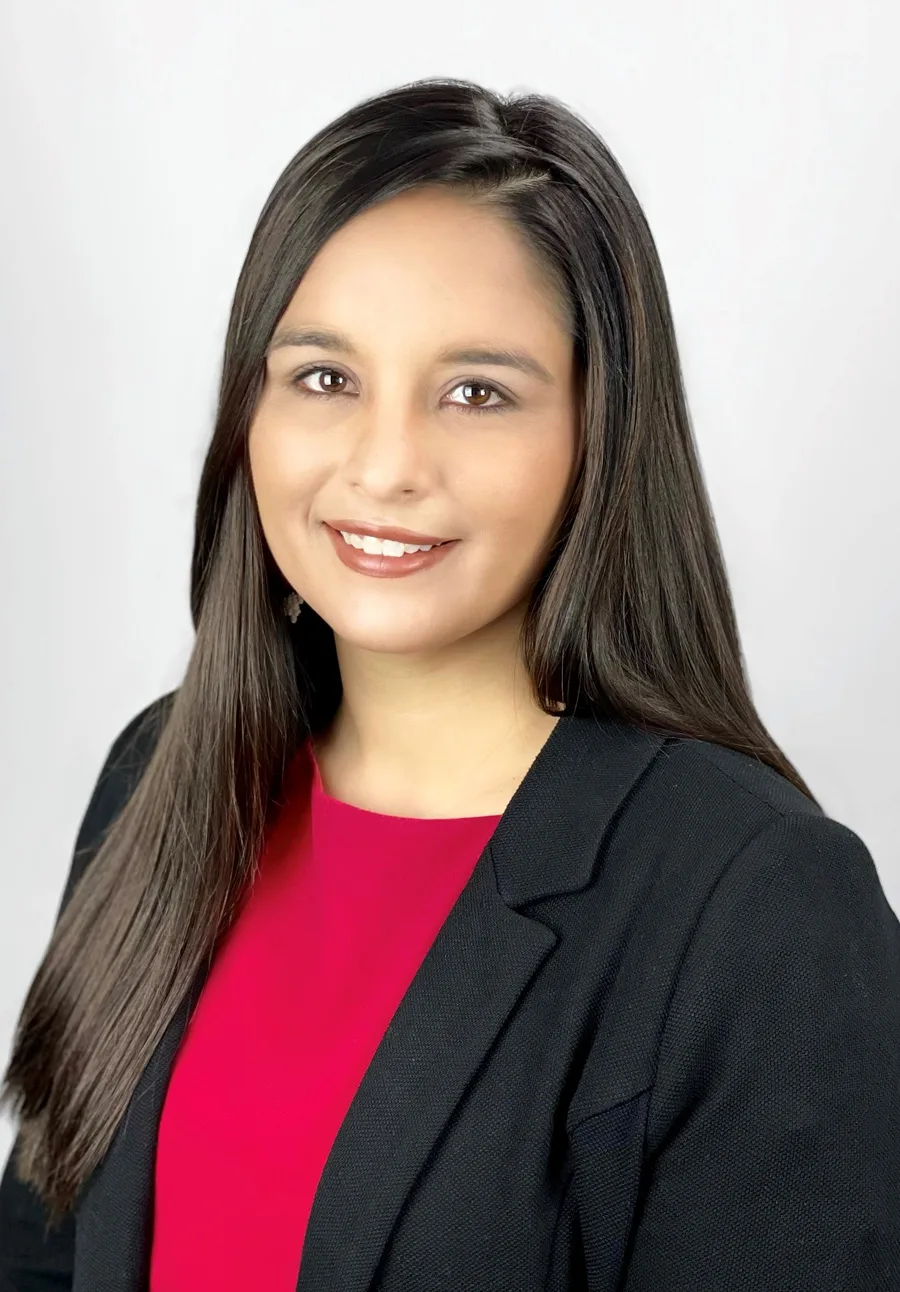
Alyssa London is a Tlingit storyteller, author, journalist, and executive communications advisor. She is the founder of Culture Story, a media platform dedicated to Indigenous storytelling, and previously served as the first Native contributor to NBC News and MSNBC. Through her work across journalism, film, and literature, Alyssa explores Indigenous identity, cultural representation, and belonging. She is the author of Journey of the Freckled Indian: A Tlingit Culture Story and an enrolled citizen of the Central Council of the Tlingit and Haida Indian Tribes of Alaska.
Learn more about Alyssa at alyssalondon.com.