- (800) 416-8102
- info@nativepartnership.org
- 16415 Addison Rd, Suite 200, Addison, TX 75001-3203

When Winter Leaves Native Elders With Nowhere to Turn
By Joshua Arce
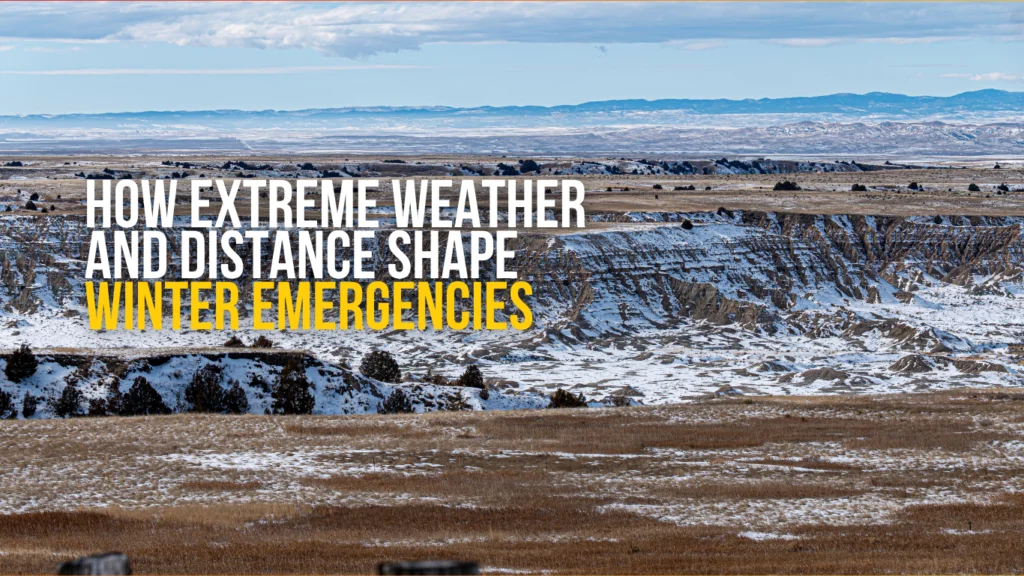
“Where I live out in the country, it gets pretty bad sometimes. No one can get in or out.”
That’s how Denise described her typical experience during the winter in Crow Agency, Montana.
Denise usually travels to Billings, about 60 miles each way, to purchase the supplies her household needs. But winter weather can make that 120-mile round trip difficult, expensive or impossible.
Both Denise and her husband are retired, and she described their household as living “on a tight budget”—a reality she knows many other Elders in her community share.
When Winter Becomes an Emergency
The effects of extreme weather often arrive well before the official season. In Arizona, temperatures can reach 100 degrees before summer begins and remain dangerously hot into the fall. In response, communities operate cooling centers and other emergency resources to help people stay safe.
The Northern Plains face a different kind of extreme. The first frost can arrive months before the winter solstice, followed by freezing temperatures, snow, ice and storms that can make travel hazardous. Tribal communities prepare for these conditions with resources such as warming centers and emergency programs that provide temporary places to stay safe and warm.
When a storm passes, people still need to get home. Families still need food. Elders still need medications and household necessities. And when roads become impassable, even reaching a community resource may not be possible.
For people living in remote areas, distance can make these challenges even greater. Denise lives in the country outside Crow Agency, where a dirt road can become muddy or snow-covered and difficult to travel. Her family’s regular trip to Billings is already 120 miles round trip; during severe weather, getting to the store—or getting home afterward—may not be possible.
For an Elder living on a fixed income, the cost of gasoline, groceries, household supplies or an unexpected vehicle repair can add another challenge.
Native communities have long relied on family, neighbors and community networks to help one another through difficult circumstances. Denise described her Apsáalooke community as close-knit and spoke about offering rides to people who need them. But when extreme weather affects an entire region, roads can close, power can go out and vehicles can become stranded or damaged.
In those moments, preparedness matters.
Having basic necessities already at home can mean one less reason to make a dangerous trip when conditions are at their worst.
Preparing for Winter Emergencies
Preparing a household before severe weather arrives is another part of that larger network of support.
Keeping shelf-stable food at home can help when roads are closed or travel isn’t safe. Batteries can be useful during a power outage. Warm blankets and gloves can provide additional protection when temperatures drop. A first aid kit can provide basic supplies when reaching a store or medical service is difficult.
For an Elder living in a remote community, these items can provide an important buffer between the arrival of severe weather and the time when normal travel and services become available again.
That’s where emergency relief can complement the work already being done by families, communities and Tribal programs.
Immediate Relief: PWNA’s Winter Emergency Boxes
One way Partnership With Native Americans® (PWNA) supports preparedness is through Winter Emergency Boxes.
Winter Boxes are distributed to Native Elders in remote reservation communities and typically contain practical supplies such as:
- Warm blankets and gloves
- First aid kits
- Batteries
- Shelf-stable food
- Other household essentials
These supplies can help households stay prepared when winter weather disrupts travel, causes power outages or makes everyday necessities difficult to access.
For Denise, receiving a Winter Emergency Box meant having supplies available at home rather than needing to make another trip to Billings. She expected her family to go through the canned food quickly, while some of the other supplies could last for months.
“It saves me a lot,” she said. “The cleaning stuff alone is a lifesaver because those things are expensive, and it does cost me money to travel.”
A Winter Box cannot clear a road, restore power or prevent a winter storm. What it can do is put useful supplies within reach before an emergency occurs—giving an Elder and their family one more resource to draw upon when getting to a store or service may not be possible.
Supporting Native Elders Through Winter
Preparing for extreme weather is a community effort. There are several ways you can help support Native communities and Elders during the winter months:
- Learn: Learn more about the challenges Native communities face during extreme weather and the importance of emergency preparedness in your area.
- Share: Help others understand why distance, infrastructure and weather can make accessing basic necessities difficult in remote communities.
- Support: Donate to organizations that provide emergency supplies and other resources to Native communities.
- Prepare: Check on older family members, neighbors and others who may need additional support when extreme weather arrives.
You can also support Partnership With Native Americans® (PWNA), which provides Winter Boxes containing practical supplies such as shelf-stable food, blankets, gloves, batteries and first aid kits to Native Elders in remote reservation communities.
Together, we can help ensure that Native Elders have resources on hand when winter weather makes everyday necessities difficult to reach.