- (800) 416-8102
- info@nativepartnership.org
- 16415 Addison Rd, Suite 200, Addison, TX 75001-3203

A Scholarship. A Future. A Family Changed.
By Alicia Searfoss
The myth that college is free for Native Americans is not only false—it’s harmful. In reality, Native students face a long list of barriers to higher education: underfunded schools, limited broadband access, systemic racism, and the fallout of broken treaty promises.
But every year, the American Indian Education Fund® (AIEF) program of Partnership With Native Americans® helps Native students take one step closer to their goals by offering scholarships that make college more accessible.
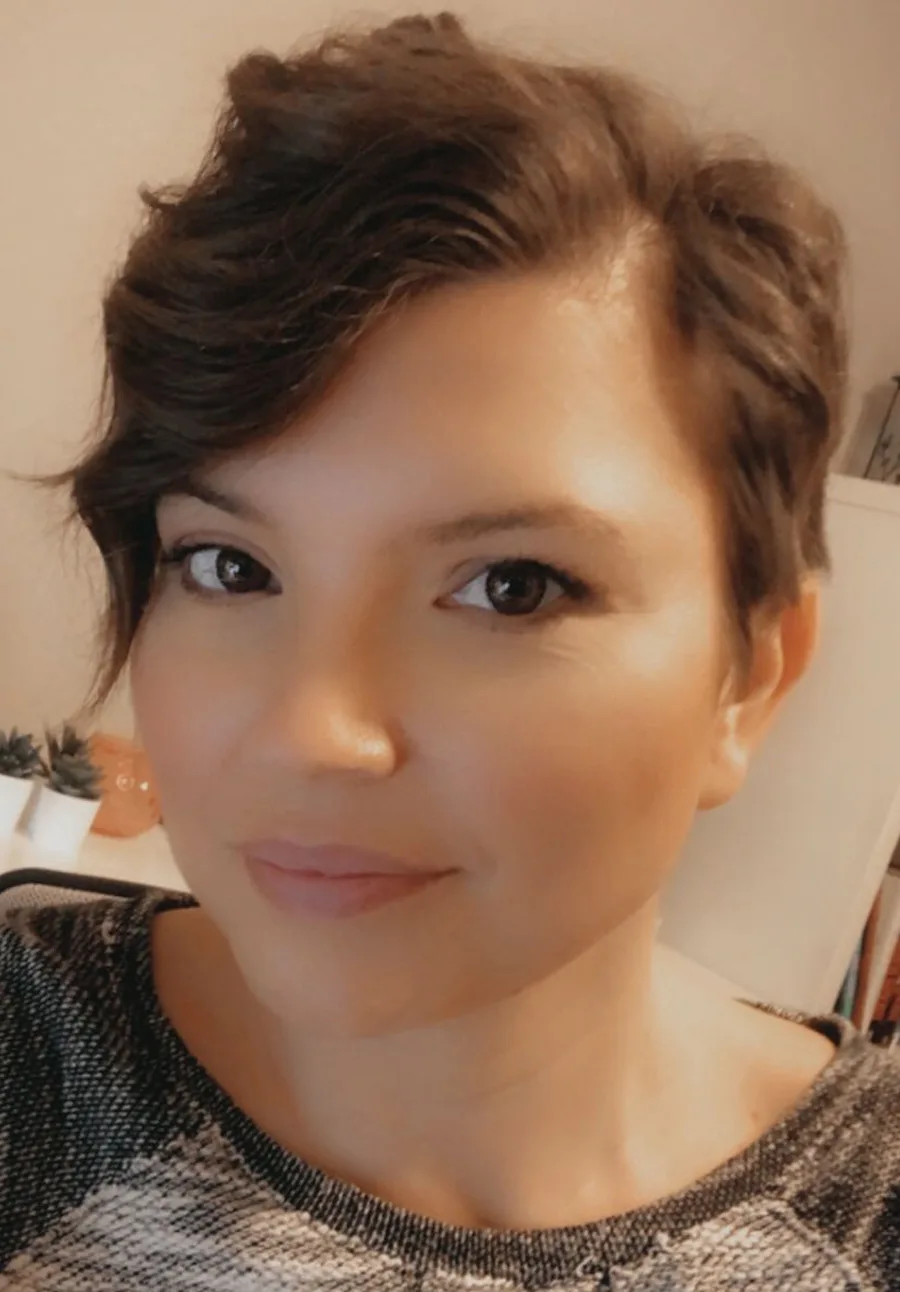
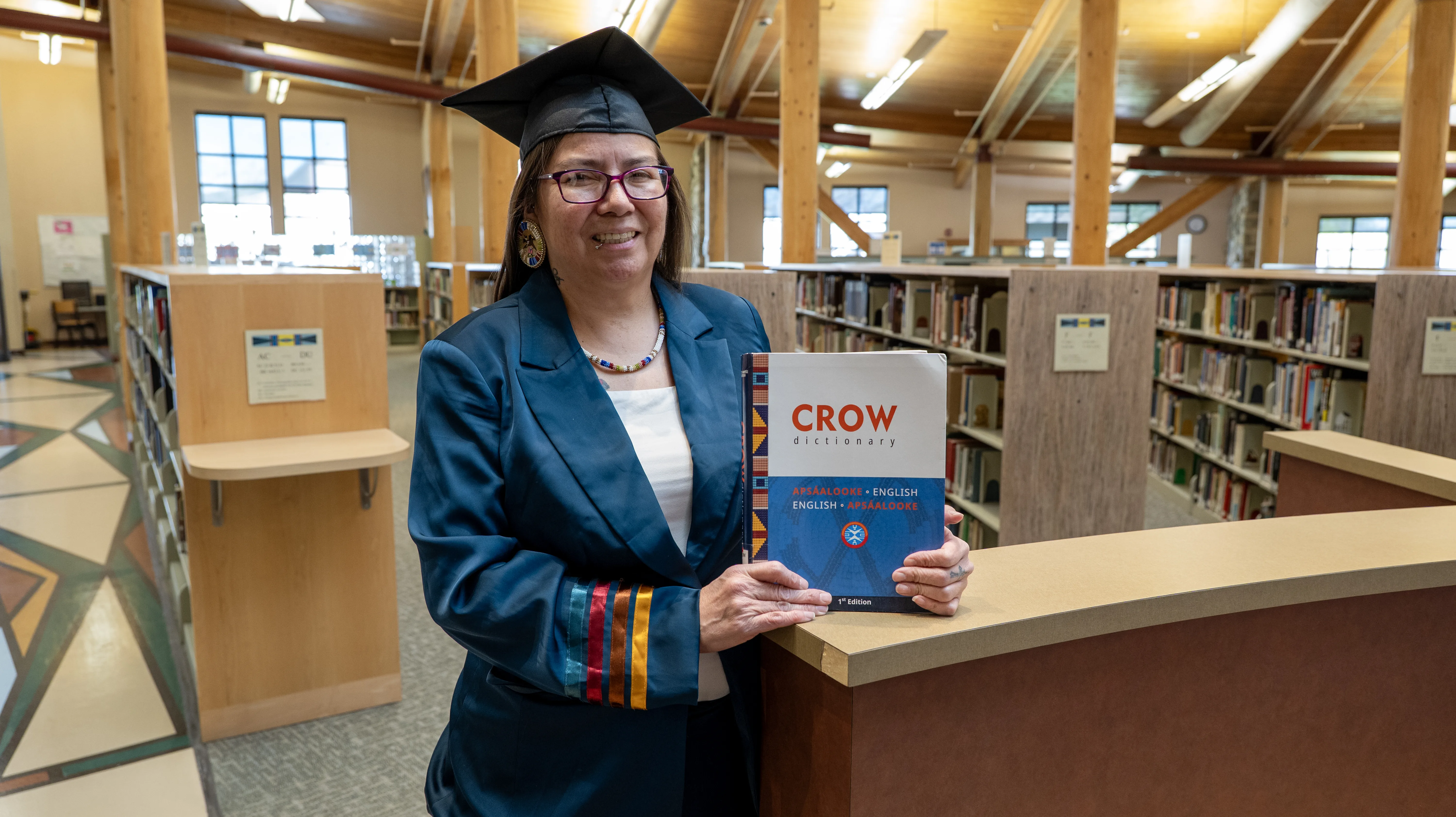
Lissa is a powerful example. She is Crow, a fluent speaker of her language, and the first in her immediate family to attend college. She’s also a mother, a grandmother, a teacher, and—thanks in part to an AIEF Scholarship for the 2024–2025 academic year—a recent graduate with a master’s degree in Integrative Indigenous Education from Salish Kootenai College.
Her journey wasn’t a straight line. Lissa graduated from high school in 1995. Like many first-generation students, she faced long gaps between each academic milestone—between high school and her bachelor’s degree, and again before pursuing her master’s. But she kept going.
“I never thought I’d ever be where I am now,” Lissa said. “I never saw myself as having a master’s degree.”
Lissa lost her mother, an early advocate for the written Crow language, to a drunk driver. Her grandmother, a teacher in Lodge Grass, stepped in to raise her and inspired her to become an educator herself.
“She would always tell us oral stories and morals,” Lissa said. “A lot of my beliefs are from her. It’s because of her that I am here with my education degree.”
Lissa’s grandmother believed in her, and that belief helped her graduate from high school. “Accomplishing that small goal made me realize I can do anything and go as far as I want in my life, especially with education,” Lissa said. “It took me a little time to come back to college, but when I did, I really liked it and kept going.”
Today, Lissa has taught on the Crow Reservation for nearly two decades. She’s the district cultural teacher in Lodge Grass, teaching Crow language, Native art and design, Crow beadwork, and Crow history.
When asked what her culture meant to her, Lissa responded, “It’s our identity. I’m probably one of the few who speaks Crow still.”
Pursuing her master’s degree meant traveling 500 miles to northwestern Montana for summer classes, often bringing her younger children along. With no sitter and no guaranteed housing—only a Tribal motel—Lissa still showed up.
“I might struggle, but I always make ends meet by juggling expenses throughout the month,” she wrote in her scholarship essay. “Any kind of scholarship money will help me to achieve my immediate goal.”
That help came through AIEF. “The scholarship helped me pay for tuition, fees, and travel,” Lissa explained. Without it, she said, “I probably would’ve had a bill that I would be paying for. I’m really thankful that I was blessed with the scholarship that I had.”
Now, Lissa is setting her sights on a doctorate in education. She’s also passing on her values to her children and grandchildren. One of her twin daughters is working on a doctorate herself, and her younger children excel in school.
“Education is the most important thing,” Lissa said. “My grandmother told me once, ‘You get your degree; they can’t take it away from you.’”
With your help, we can support more students like Lissa—students with powerful stories, deep cultural roots, and the perseverance to create change in their communities.
Please consider donating to the AIEF program today. Your support doesn’t just fund tuition or books—it builds futures.